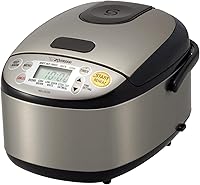
Is a Zojirushi Rice Cooker Worth It?
A Zojirushi rice cooker is worth it if you cook rice often and will use its grain settings, texture choices, or serving features. Choose by your usual batch size and meals; occasional plain-rice cooks may prefer a simpler cooker.
On this page (10 sections)
- Is a Zojirushi rice cooker worth it for your routine?
- Why pay more for a Zojirushi rice cooker?
- Which 5.5-cup Zojirushi model fits your needs?
- What should you check before choosing a size?
- How do you get a good first batch?
- Which mistakes reduce the value of a premium cooker?
- Does pan care affect whether the cooker is worth buying?
- How were these Zojirushi models chosen?
- Where can you find model instructions and support?
- So, is a Zojirushi rice cooker worth it?
A Zojirushi rice cooker is worth it if you cook rice often and will use settings that match your grains, texture preferences, or serving schedule. If rice is an occasional side dish and you serve it straight away, a simpler cooker may meet your needs.
Choose around your normal meals, not the longest feature list. A small-batch breakfast cook, a household that wants softer rice, and someone who plans to steam vegetables have different reasons to buy.
Is a Zojirushi rice cooker worth it for your routine?
A Zojirushi makes the most sense when a specific feature solves a recurring task. Cooking frequency helps justify the expense, but the way you cook matters just as much.
Think through your last week of meals. Switching between grains, wanting a particular rice texture, or serving dinner at different times gives the extra controls a clear job.
Plain white rice can still justify a more capable cooker if texture choices matter to you. But buying several grain programs makes little sense if your household always uses the same rice and serves it immediately.
For the broader appliance decision, read whether a rice cooker is worth it. Our fuzzy logic rice cooker guide explains how computerized cooking control works.
Why pay more for a Zojirushi rice cooker?
Pay more for functions you expect to use regularly, rather than the brand name alone. The Neuro Fuzzy and NS-TSC10 use computerized cooking control, but their practical appeal depends on their different menus and serving options.
Computerized control adjusts the cooking process; it does not remove the need to measure rice and water correctly. A wrong program or an overloaded pan can still spoil a batch.
Keep-warm and reheating also serve different purposes. Keeping cooked rice ready is useful when dinner runs late, while reheating is a separate function used according to the cooker’s instructions.
If computer-controlled cooking is your main reason to upgrade, compare the options in our guide to fuzzy logic rice cookers. Then narrow your choice by the meals each model supports.
Is a Zojirushi 3-cup rice cooker worth it for small batches?
The compact Micom suits small households that cook modest amounts of rice or oats. It can cook as little as 1/2 cup, which matters more for a solo meal than unused room for a large batch.
Separate steel-cut oatmeal and long-grain white rice programs make this a useful choice when breakfast and dinner call for different cooking methods. It also offers brown and GABA brown settings.
Allow extra time for GABA brown rice: that program includes a 2-hour activation stage. It suits planned meals better than a last-minute dinner.
The fold-down handle and retractable cord help if you store the cooker between uses. Skip it if regular leftovers or larger shared meals would push your batches beyond its capacity.
Use the rice cooker size guide to plan around portions and leftovers, rather than household head count alone.
Which 5.5-cup Zojirushi model fits your needs?
Choose the Neuro Fuzzy for rice texture choices or the NS-TSC10 for its steam function. Both hold up to 5.5 cups of uncooked rice, so their menus are the more useful distinction.
Capacity is a ceiling, not a target for every meal. Follow each model’s minimum and maximum amounts for the selected program, since different grains and dishes may have different limits.
Who should choose the NS-ZCC10 Neuro Fuzzy?
Choose the Neuro Fuzzy if rice texture is a buying priority. Its white rice options include regular/sushi, softer, and harder settings, giving you a direct way to match household preferences.
Its other menus cover mixed rice, porridge, sweet rice, semi-brown, brown, rinse-free, and quick cooking. That range suits a household that changes rice types rather than repeating one meal.
Two delay timer settings and a reheat cycle help with meal planning. The detachable, washable inner lid also deserves attention when comparing daily cleanup.
Skip this model if you want a dedicated steam menu or expect to use only one basic rice setting. Our Zojirushi Micom vs Neuro Fuzzy comparison explains the control differences in more detail.
Who should choose the NS-TSC10 Micom?
Choose the NS-TSC10 if steaming is part of your meal plan. It includes a steam menu and steaming basket, making it the clearer choice here for someone who wants that specific function.
Automatic and extended keep-warm, reheating, and 2 delay settings support flexible serving times. Its clear-coated stainless steel exterior can be wiped down, while the inner pan needs hand washing.
Do not assume the steam function means every rice-and-steam combination can run together. Follow the manual’s directions for water amounts, food placement, and allowed cooking methods.
Skip it if the steaming basket would stay in a cupboard. The NS-TSC10 review and Neuro Fuzzy review can help you compare their different strengths.
What should you check before choosing a size?
Choose around your usual dry-rice batch and available counter space. Occasional guests are a weaker reason to buy a larger cooker than the portions you make several times a week.
Measure your rice before cooking to understand your actual needs. Include planned leftovers, but avoid choosing capacity from cooked portions alone.
Check the footprint and leave room to open the lid, remove the pan, and let steam escape. The compact Micom measures 11.8 inches deep by 9.1 inches wide, so even the smaller option needs a planned spot.
Consider where you will clean and store the pan, too. A cooker is less convenient if you must move several appliances every time you want to use it.
How do you get a good first batch?
Start with the supplied measuring cup and the correct water scale. Cooker cups and ordinary kitchen measuring cups are not automatically interchangeable.
Wash removable food-contact parts as directed before first use. Set the cooker on a stable surface with clear steam space, then make sure the outside of the pan and the heating area are clean and dry.
Rinse rice when its package and the cooker instructions call for it. Measure water with the pan level, select the matching grain program, and follow any required resting instructions before fluffing.
Keep the first batch simple so you can judge the result. If you want a different texture next time, change one thing at a time within the manual’s guidance.
Our guide to using a Zojirushi rice cooker covers the process. If you already use a pressure cooker for meals, compare the daily workflow in rice cooker vs Instant Pot.
Which mistakes reduce the value of a premium cooker?
The main mistakes are measuring inconsistently, choosing the wrong program, and expecting extra features to correct poor preparation. Getting these basics right matters more than buying a more complex model.
- Mixing measuring systems: Pair the supplied rice cup with the appropriate pan markings and instructions.
- Using one water line for every grain: Match the scale and program to what you are cooking.
- Overfilling for leftovers: Stay within the selected menu’s limit, including any added ingredients.
- Opening the lid repeatedly: Follow the cooking cycle instead of interrupting it to check progress.
- Treating keep-warm as unlimited storage: Follow the manual’s limits and refrigerate leftovers promptly when you will not serve them.
Delay timers need similar care. Use them only for foods and recipes the manual allows; avoid leaving perishable ingredients waiting at room temperature.
Does pan care affect whether the cooker is worth buying?
Yes, protecting the inner pan helps preserve the appliance’s usefulness. Use utensils suitable for nonstick surfaces and avoid abrasive pads that can damage the coating.
Let the pan cool before cleaning, and follow the instructions for each removable part. Wipe the unplugged cooker body rather than immersing it.
Do not assume dishwasher care is the same for the pan, lid, and accessories. Read our Zojirushi dishwasher guide before putting any part in a machine.
This replacement is for NS-ZAC10 and NS-ZCC10 cookers only. Check both the cooker model and the B201 marking inside the existing pan; similar size or appearance does not establish a safe fit.
Treat it as a repair option for a compatible cooker, not an accessory everyone needs at checkout. If the problem involves heating, controls, or an error message, replacing the pan may not address it.
How were these Zojirushi models chosen?
We compared batch size, cooking menus, serving controls, and care needs to match each model with a clear use. The replacement pan is included for compatible-cooker owners considering repair instead of replacement.
These differences support a buying decision, but they do not establish a guaranteed lifespan or a measured cooking advantage over every simpler cooker.
Where can you find model instructions and support?
Use Zojirushi’s instructions and support for model-specific limits, care directions, and replacement-part questions. Check those details before using an unfamiliar program or ordering a part.
So, is a Zojirushi rice cooker worth it?
A Zojirushi rice cooker is worth it when one of its specific strengths earns regular use. Choose the compact Micom for small rice-and-oat batches, the Neuro Fuzzy for rice texture choices, or the NS-TSC10 for steaming.
Choose a simpler cooker if you need plain rice occasionally and have little use for added controls. Before buying, write down your normal batch size and 2 functions you expect to use each week, then compare the best Zojirushi rice cookers.
Frequently asked questions
Is a Zojirushi rice cooker worth it for everyday rice?
A Zojirushi rice cooker is worth considering for everyday rice when its controls solve a regular need; texture choices suit people with clear rice preferences, while timers and keep-warm cycles help with meal timing. If you serve plain rice immediately and need no extra options, a simpler cooker may suit you.
Why are Zojirushi rice cookers so expensive?
The practical reasons to pay more are model-specific features such as computerized cooking control, grain menus, texture choices, and serving functions; these explain what you get, rather than the brand’s manufacturing costs. Compare functions you’ll use each week instead of assuming a longer menu makes every model a better buy.
Which Zojirushi rice cooker is best for a small household?
The 3-Cup Micom suits small households that need small batches, since it can cook as little as 1/2 cup of rice or oats; its separate long-grain white rice and steel-cut oatmeal settings suit varied meals. Choose a larger cooker if your regular portions or planned leftovers exceed its capacity.
How long do Zojirushi rice cookers last?
There is no supported lifespan estimate for these models, so don’t base your decision on a promised number of years. Protect the inner pan, clean parts as directed, and check replacement-part compatibility; a compatible replacement pan can address pan damage, but it cannot resolve an unrelated electrical or heating fault.