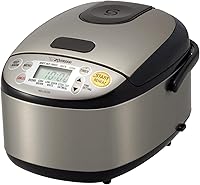
Can You Put a Zojirushi Rice Cooker Pot in the Dishwasher?
You should hand wash a Zojirushi rice cooker pot unless your exact model's manual allows dishwasher use. Never put the electrical cooker body in the dishwasher or immerse it in water.
On this page (7 sections)
- Can you put a Zojirushi rice cooker pot in the dishwasher?
- How do you wash the inner pot without damaging it?
- Which Zojirushi parts can you wash in water?
- When should you replace the inner pan?
- What cleaning routine works after each use?
- Which cooker suits you if you're buying a replacement?
- Should you hand wash, replace the pan, or buy another cooker?
You should hand wash a Zojirushi rice cooker pot unless your exact model's manual allows dishwasher use. Never put the electrical cooker body in the dishwasher or immerse it in water.
The NS-TSC10 and both replacement pans covered here require hand washing. If you're buying a cooker to avoid washing a pot by hand, that care requirement should shape your choice before cooking features do.
Can you put a Zojirushi rice cooker pot in the dishwasher?
Hand wash the NS-TSC10 pot and confirm the care instructions for any other model before using a dishwasher. A removable nonstick pan isn't automatically dishwasher-safe.
Dishwasher detergent, heat, and contact with other utensils can be hard on nonstick cookware. A pan fitting neatly on the rack doesn't make that cleaning method suitable.
Separate the appliance into 3 care groups: the inner pot, removable lid parts, and the electrical body. Permission to wash one part doesn't extend to the others.
Can a Zojirushi rice cooker go in the dishwasher if the manual is missing?
Find the exact model's manual first, rather than borrowing directions from a similar-looking cooker. Check the model label and use Zojirushi's instruction manual directory.
Until you confirm the directions, leave uncertain parts out of the dishwasher and don't force anything apart. If a part won't detach as described, stop and check the instructions again.
How do you wash the inner pot without damaging it?
Cool the pot and use gentle tools, following the cleaning directions for your model. The goal is to loosen rice before wiping it away, rather than scraping it off.
- Unplug the cooker and let the pot cool before handling it.
- Remove the pot and empty any leftover rice.
- Rinse away loose grains, then use mild dish soap and a soft sponge as directed.
- If rice remains stuck, use a warm-water soak only if the manual permits it.
- Rinse away soap and dry the pot, including its outside and bottom.
Don't run cold water into a hot pot to speed up cleanup. Letting it cool avoids a sudden temperature change and makes it easier to handle safely.
Skip steel wool, abrasive powders, rough scouring pads, and sharp utensils. A knife or metal spoon can damage the coating while lifting a stubborn patch of rice.
Wash the pan on its own instead of dropping cutlery or other cookware into it. Keeping hard objects away from the inside helps prevent avoidable scratches.
Which Zojirushi parts can you wash in water?
Wash only the removable parts your manual identifies as washable. Keep the cooker body, cord, and plug out of the sink and dishwasher.
The NS-ZCC10 has a detachable, washable inner lid. Remove and refit it as directed, taking care around any seals or fittings rather than pulling at them.
For the body, use the wiping method in the manual after unplugging and cooling the appliance. The NS-ZCC10's general care instruction is to wipe with a damp cloth; use its manual for part-by-part directions.
Don't pour water into the heating area or spray cleaner into gaps around the controls. Apply an approved cleaner to the cloth when directed, rather than soaking the appliance.
Let washed parts dry before reassembly, and check that each part sits in its intended position. Our guide to how to use a Zojirushi rice cooker covers the next steps before cooking.
When should you replace the inner pan?
Replace a damaged pan only with a confirmed compatible part. A dishwasher cycle alone doesn't tell you whether a replacement is needed, so inspect the pan's condition first.
If the coating is peeling, the pan is bent, or it no longer sits correctly, stop using it and ask Zojirushi about replacement. Don't sand the coating or try to straighten the pan yourself.
For a pan that was accidentally machine-washed, rinse away detergent residue and check for visible changes. Don't assume damage is harmless just because the cooker still turns on.
Which replacement fits the NS-ZCC10?
The Zojirushi Replacement Inner Pan (NS-ZCC10) suits someone who needs a replacement for a compatible NS-ZAC10/ZCC10 cooker. Check for B201 inside the existing pan before ordering.
Skip this pan if your model or marking differs, even if the shape looks close. Zojirushi warns that using it with another model can damage the cooker.
This is a repair option for a compatible appliance, not a way to gain dishwasher-safe cleanup. Its care instructions require hand washing.
Which replacement fits the NS-TSC10?
The Zojirushi Replacement Inner Pan (NS-TSC10) suits owners of the NS-TSC10/NL-AAC10 5.5-cup models whose existing pan has B362 etched inside. Both the model and marking must match.
Skip it for any other model or an unconfirmed marking. Similar capacity doesn't establish compatibility, and this replacement also requires hand washing.
Before first use, follow the replacement's instructions for cleaning and check that it seats correctly. If it rocks or fits differently from the original, resolve that before cooking.
What cleaning routine works after each use?
Clean food residue after the cooker cools, and check the pot's outside before putting it back. A short routine helps keep dried starch from becoming a harder cleaning job.
Wash the pot and any washable parts that collected residue, following the manual's schedule for lid and steam-related components. Wipe spills from the cooled body without letting water enter openings.
Before cooking again, look for stray grains between the pot and heating surface. Make sure both surfaces are clean and dry so the pan can sit properly.
Use the supplied measuring cup and the correct water markings when preparing rice. Overfilling or measuring carelessly can create extra starch residue and cleanup.
Our rice cooker cleaning guide covers the wider routine. If scorching keeps returning, check why a rice cooker burns rice instead of scrubbing harder after every batch.
Which cooker suits you if you're buying a replacement?
Choose by the rice you cook and the features you'll use, while accepting the required cleaning routine. Neither cooker should be chosen on the assumption that its pot can go in the dishwasher.
Both models hold up to 5.5 cups of uncooked rice. Check your usual batch size and counter space with our guide to how to choose a rice cooker before replacing a whole appliance.
NS-ZCC10: for cooks who want more rice settings
The NS-ZCC10 suits cooks who want choices for different rice types and textures. Its menus include regular/sushi white rice, softer or harder white rice, brown, semi-brown, mixed, porridge, sweet, rinse-free, and quick cooking.
Neuro Fuzzy technology adjusts temperature and cooking time, while keep-warm, extended keep-warm, and reheat cycles support meals served on different schedules. Those features matter more if rice is a regular part of your cooking.
Skip it if you want dishwasher cleanup or rarely need more than a basic rice program. Read our Zojirushi NS-ZCC10 review if its rice menus match your meals.
NS-TSC10: for cooks who also want steaming
The NS-TSC10 suits cooks who want a rice cooker with a Steam menu and included steaming basket. It also has a Cake menu, making it worth considering if those uses would earn it regular counter space.
Its clear-coated stainless steel exterior is designed for easy cleaning, and the retractable cord helps with storage. The delay settings and warming cycles add scheduling options.
Skip it if hand washing is a dealbreaker or you won't use its extra menus. Our guide to Zojirushi rice cooker value can help you decide whether to replace the appliance or just its pan.
Should you hand wash, replace the pan, or buy another cooker?
If you're asking whether you can put a Zojirushi rice cooker in the dishwasher, choose hand washing unless the exact manual permits otherwise. Keep a sound pan, replace a damaged one with a confirmed compatible part, and replace the whole cooker only when your needs justify it.
Choose the NS-ZCC10 for its rice menu choices or the NS-TSC10 if you'll use steaming as well. If dishwasher cleanup is essential, compare alternatives in our best rice cookers guide and verify each model's care instructions before buying.
Frequently asked questions
Can a Zojirushi inner pot go in the dishwasher?
Hand wash the inner pot unless your exact model's manual explicitly permits dishwasher use, and follow any limits it gives for removable parts. The NS-TSC10 and both replacement pans covered here require hand washing, so choose a gentle cleaning routine rather than assuming a dishwasher rack is suitable.
Can I put the Zojirushi rice cooker lid in the dishwasher?
Only use the dishwasher for a lid part if your exact model's manual permits it, since a removable or washable lid isn't automatically dishwasher-safe. The NS-ZCC10 has a detachable, washable inner lid; follow its removal, cleaning, drying, and refitting directions rather than washing the attached outer lid.
How do I clean a Zojirushi rice cooker pot?
Let the pot cool, then clean it with mild dish soap and a soft sponge as its manual directs, using an approved soak for stubborn rice. Avoid abrasive pads and sharp tools, rinse away soap, and dry the outside of the pot before returning it to the cooker.
Can I put the Zojirushi cooker body in water?
No, never immerse the electrical cooker body or put it in the dishwasher; unplug it and let it cool before cleaning. Follow the manual for wiping the exterior and heating area, keeping water out of the controls, cord connection, and other openings, then let cleaned surfaces dry before use.