How to Use a Zojirushi Rice Cooker
To use a Zojirushi rice cooker, measure rice with the supplied cup, rinse as needed, add water to the matching grain mark, and select that grain’s menu. Follow your model’s batch limits, start cooking, and fluff the rice after the cycle finishes.
On this page (9 sections)
- How do you use a Zojirushi rice cooker step by step?
- How much rice and water should you add?
- Which menu should you choose?
- What do the buttons, timers, and signals mean?
- What should you do when cooking finishes?
- Which Zojirushi cooker fits your routine?
- How do you clean a Zojirushi rice cooker after use?
- What should you check if rice comes out wrong?
- How to use a Zojirushi rice cooker for your next batch
To use a Zojirushi rice cooker, measure with the supplied cup, prepare the rice, add the correct water, and select the matching menu. Let the cycle finish before opening the lid, then fluff with the supplied spatula.
Learning how to use a Zojirushi rice cooker starts with matching 3 things: the rice, its water mark, and its menu. Keep your model’s manual nearby for batch limits and controls, especially when changing grains.
How do you use a Zojirushi rice cooker step by step?
Prepare the pan before selecting the cooking menu, and keep the cooker’s steam outlet clear. For your first batch, use plain rice so you can judge its texture without added ingredients changing the result.
- Remove packaging and wash food-contact parts as directed before first use.
- Place the cooker on a stable, dry surface with room for the lid to open and steam to escape.
- Measure dry rice with the supplied cup, leveling each cup rather than heaping it.
- Rinse if required, drain, and put the rice in the inner pan.
- Add water using the correct grain scale and batch number, or the manual’s measured amount.
- Level the rice, dry the pan’s outside, and check that the heating area is free of loose grains.
- Seat the pan, close the lid, plug in the cooker, select the menu, and start.
- Wait for completion, follow any finishing instructions, then fluff and serve.
Keep towels, utensils, and cabinets clear of escaping steam. Before plugging in a cooker bought for another market, check that its electrical requirements match your supply.
How much rice and water should you add?
Use the supplied cup for dry rice and the matching pan scale for water. A number on the pan means the final water level with rice already inside, not that many separate cups of water.
For example, measure 2 rice cups, prepare the rice, then fill to the appropriate 2 mark if your manual directs that method. Put the pan on a level surface before checking the water line.
Don't borrow a fixed rice-to-water ratio from another appliance when your cooker provides grain-specific instructions. Brown rice, white rice, and porridge can need different amounts and have different maximum batches.
How to use a Zojirushi rice cooker cup and water marks
Keep the rice cup and water scale paired, even if another measuring cup looks close in size. The NS-ZCC10 includes separate regular and rinse-free cups, so follow its directions for which one to use.
If you lose a cup, find the correct replacement or its exact measure in the manual. Guessing with a drinking cup makes it harder to tell whether a poor batch came from water, rice quantity, or the menu.
Should you rinse rice first?
Rinse ordinary rice when its preparation instructions call for it, then drain before measuring the cooking water. Rinsing removes loose surface starch that can contribute to excess foam and gummy rice.
Use a separate bowl and gentle movements to protect the pan’s coating. Rice sold for rinse-free preparation needs its own directions, rather than an automatic rinse.
Which menu should you choose?
Choose the menu for the grain and dish, rather than using White for everything. A specialty cycle changes the cooking process, so choosing a different water amount alone is not a substitute.
The NS-ZCC10 offers white rice with regular/sushi and softer or harder options, plus mixed, porridge, sweet, semi-brown, brown, rinse-free, and quick cooking. Its texture choices help readers who want a softer bowl of rice or firmer grains.
The compact 3-Cup Micom has dedicated long-grain white and steel-cut oatmeal menus. Use the long-grain option for suitable rice and the oatmeal option for steel-cut oats, rather than treating porridge as the same dish.
For mixed rice, follow a recipe approved for your cooker. Adding meat, vegetables, or sauces changes the batch, so don't fill to the plain-rice maximum and then pile ingredients on top.
How do you cook brown rice in a Zojirushi?
Select Brown and use its water instructions and batch limit. The compact model also offers GABA Brown, which includes a 2-hour stage at about 104°F before cooking.
Choose that longer cycle when your schedule allows it. It is a separate preparation option, so don't select it when you need the meal ready on a short deadline.
If brown rice is your main staple, compare capacity and relevant menus in our guide to rice cookers for brown rice.
Can you use the quick-cooking menu?
Use Quick Cooking only for rice and quantities allowed by your model. The NS-ZCC10 includes this option, but it should not become a shortcut for grains that need another menu.
Start with the regular cycle when learning a new rice variety. Once you know your preferred texture, you have a useful reference for deciding whether the quicker option suits you.
What do the buttons, timers, and signals mean?
Select the menu before starting, and confirm what the timer display means before setting a delayed meal. A finish-time clock and a countdown serve different purposes.
The NS-ZCC10 has an LCD clock, and both it and the NS-TSC10 offer delay timing and a choice of melody or beep. Use your model’s directions to set the clock and confirm the selected completion time.
Use delayed cooking only with ingredients and holding conditions the manual permits. Don't leave a mixture containing perishable ingredients at room temperature while waiting for a later start.
If a control won't respond, check the selected mode and troubleshooting instructions. Repeatedly pressing Start or unplugging the cooker does not identify the cause of an error.
What should you do when cooking finishes?
Fluff the rice after the completion signal and any required finishing steps. Open the lid away from your face, then gently lift and turn the rice with the spatula.
Work around the pan without scraping its coating. Fluffing releases trapped steam and separates the rice before serving.
The NS-ZCC10 and NS-TSC10 include automatic keep-warm, extended keep-warm, and reheating cycles. Use the permitted mode for your rice type and follow its holding limit.
Keep-warm holds cooked rice; it does not cook an unfinished batch. Refrigerate leftovers promptly when serving is over, rather than leaving them in a switched-off cooker.
Which Zojirushi cooker fits your routine?
Buy for your usual batch and most-used menu, with room for the occasional larger meal. A bigger cooker is useful only if its allowed minimum also fits your smaller meals.
For a wider comparison, see our best rice cookers guide. Start with capacity, then decide which extra functions you will use.
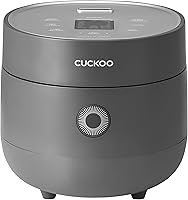
Choose the 3-Cup Micom for small meals
The compact Micom suits solo cooks, couples, and small batches. Its ability to cook as little as 1/2 cup of rice or oats helps when you want a fresh portion without planning leftovers.
Its fold-down handle and retractable cord help if you store the cooker between meals. Check the minimum for each menu before assuming every grain supports the smallest batch.
Skip it if your normal meal needs more than its capacity or you often cook rice for guests. Don't buy the smallest cooker merely to save counter space if it forces you to cook twice.
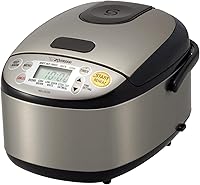
Choose the NS-ZCC10 for rice texture choices
The NS-ZCC10 suits households that want several rice preparations and white-rice texture controls. Its 5.5-cup uncooked-rice capacity gives more batch room than the compact model.
Choose it if you will use the softer, harder, or sushi options. Skip it if you mainly make tiny portions and don't need those controls.
Choose the NS-TSC10 for steaming
The NS-TSC10 suits cooks who want rice cooking and a dedicated steaming function. It has a 5.5-cup uncooked-rice capacity, a Steam menu, and an included basket.
Follow its steaming instructions for water, food placement, and timing. Don't assume a Steam menu means every rice-and-vegetable combination can cook together in one cycle.
Skip it if you already have a steamer you like and mainly want the NS-ZCC10’s rice texture options. Our guide to choosing a rice cooker helps weigh capacity against functions.
How do you clean a Zojirushi rice cooker after use?
Unplug the cooker, let it cool, and wash removable parts as directed. Remove leftover rice before it dries hard, and use a soft sponge on the inner pan.
Avoid metal utensils and abrasive cleaners on coated surfaces. Wipe the body with a damp cloth without immersing the cooker or pouring water into its heating area.
Check the inner lid and steam parts for residue wherever your manual allows removal. Dry parts before reassembly, and read how to clean a rice cooker for a fuller routine.
Removable does not mean dishwasher-safe. Check whether a Zojirushi rice cooker pot can go in the dishwasher before loading any part.
What should you check if rice comes out wrong?
Check the cup, water scale, menu, and pan placement before changing your recipe. Change one thing at a time on the next batch so you can identify what helped.
- Rice is too wet: check that you drained rinsed rice and read the correct water scale on a level surface.
- Rice is too firm: confirm the grain’s menu and water amount, and wait for the full cycle before opening.
- Rice foams or overflows: check rinsing, menu choice, and that menu’s capacity limit.
- Rice scorches repeatedly: look for debris beneath the pan and review the cooking and holding routine.
For persistent scorching, see why a rice cooker burns rice. If you're switching appliances, how to use a Cuckoo rice cooker explains that brand’s routine.
How to use a Zojirushi rice cooker for your next batch
Choose the compact Micom for small portions, the NS-ZCC10 for rice texture choices, or the NS-TSC10 for steaming. Then make one plain batch with the supplied cup and matching menu before adjusting texture or adding ingredients.
Once you know how to use your Zojirushi rice cooker consistently, keep a note of the rice variety and any permitted water adjustment you prefer. If you're comparing routines across brands, read how to use a Cuckoo rice cooker next.
Frequently asked questions
Do you use the measuring cup that comes with a Zojirushi rice cooker?
Yes, use the supplied rice-measuring cup because the cooker’s rice amounts and water marks work together. Zojirushi specifically requires the included cup for the NS-ZCC10; it comes with regular and rinse-free cups, so choose the one its manual specifies for your rice.
Do you rinse rice before putting it in a Zojirushi cooker?
Rinse rice when its package or your cooker’s instructions call for it, then drain before adding cooking water. Use a separate bowl to avoid rubbing grains against the inner pan’s coating; the NS-ZCC10 also has a rinse-free menu for rice intended for that preparation.
Which setting should you use for brown rice in a Zojirushi?
Use the Brown menu for ordinary brown rice unless your model’s instructions specify another setting. Follow that menu’s water marks and capacity limits; the compact 3-Cup Micom also has GABA Brown, which adds a 2-hour warm stage before cooking and needs more meal-planning time.
Can you leave rice in a Zojirushi cooker after it finishes?
You can use keep-warm within your model’s instructions for the rice you cooked. The NS-ZCC10 and NS-TSC10 offer automatic and extended keep-warm plus reheating, but these functions do not allow indefinite holding; follow the manual’s limits and refrigerate leftovers promptly when you finish serving.