Is a Rice Cooker Worth It?
A rice cooker is worth it for regular rice meals if you want less stove watching and a warm-holding function. Skip it if you rarely cook rice, have little storage space, or prefer your saucepan routine.
On this page (8 sections)
- Is a rice cooker worth it for everyday meals?
- What makes a rice cooker worth the counter space?
- Is a rice cooker worth it if you cook different kinds of rice?
- Is a rice cooker worth it for one or two people?
- Is a large rice cooker worth it for a family?
- How do you set up a rice cooker for useful daily service?
- Does a rice cooker make cleanup easier?
- How do you decide if a rice cooker is worth it for you?
A rice cooker is worth it if you cook rice regularly and want less stove watching while making dinner. If rice is an occasional side dish and your saucepan works well, another appliance may add more clutter than help.
The biggest gain is a simpler routine: measure, choose a program, and let the cooker manage the cycle. Decide based on your normal meals, batch size, and willingness to wash another appliance's parts.
Is a rice cooker worth it for everyday meals?
Yes, a rice cooker earns its place when rice is a regular part of dinner and tending a saucepan gets in the way. A keep-warm function also helps when the rice finishes before the rest of the meal.
It frees a stove burner for vegetables, sauce, or a main dish. That matters in a small kitchen where several pans compete for space.
The benefit is less attention, not necessarily faster cooking. A full cycle can include soaking and resting stages, so plan around the selected program rather than assuming dinner will be ready sooner.
A cooker also won't correct every measuring mistake. You still need the right water level, a suitable program, and a batch within the model's limits.
Skip a dedicated cooker if you rarely make rice, enjoy your current method, or already have an appliance that handles your usual portions. Our rice cooker vs Instant Pot comparison helps if you're deciding which appliance deserves the space.
What makes a rice cooker worth the counter space?
A rice cooker deserves counter space when its capacity and controls fit your usual meals. Measure the storage spot and leave room to open the lid and release steam away from cabinets.
Don't compare capacities until you know whether each number means cooked or uncooked rice. The supplied rice cup may also differ from your standard kitchen measuring cup, so use the included cup with the matching pot markings.
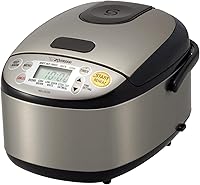
The Zojirushi NS-ZCC10 has a 5.5-cup uncooked capacity, with settings for white rice, sushi rice, brown rice, mixed rice, porridge, and other styles. White rice controls include softer and harder options.
Its automatic and extended keep-warm modes, plus reheating, suit households where people eat at different times. Choose it if rice texture and serving flexibility matter more than having the fewest controls.
Skip this model if you need only occasional plain rice or mainly cook tiny portions. Its spherical nonstick pan and retractable cord are useful details, but they don't justify an appliance you won't use.
For help matching batches to your household, read what size rice cooker you need. Check minimum batch guidance as well as maximum capacity before choosing.
Is a rice cooker worth it if you cook different kinds of rice?
It can be worth it when you regularly switch between rice types that need different cooking cycles. Separate programs reduce the need to work out stove timings for every grain.
The Cuckoo CR-0675F has a 6-cup uncooked, 12-cup cooked capacity, with options for glutinous white rice, brown rice, oats, and baby food. A timer and warming mode help you fit rice around the rest of dinner.
Choose it for family meals that alternate between rice and softer grain dishes. Skip it if you mostly prepare a single serving or want a cooker with only one switch.
Is a fuzzy logic rice cooker worth it?
Fuzzy logic is worth considering if automatic heat and timing adjustments support the rice styles you make. It doesn't remove the need to measure correctly or choose the right program.
Learn what a fuzzy logic rice cooker is if you're comparing it with a basic cook-and-warm model. Focus on useful controls, rather than the technology name alone.
Our fuzzy logic rice cooker buying guide explains the wider choices. If you only make plain white rice and already like its texture, more programs may offer little daily benefit.
Is a rice cooker worth it for one or two people?
Yes, a compact cooker can be worthwhile for small households that eat rice often. Buy for the amount you normally cook, rather than the largest batch you might serve once a year.
The Toshiba Mini has a 3-cup uncooked capacity and programs including white rice, quick cook, brown rice, mixed grain, slow cook, and porridge. It also offers a 24-hour delay timer and keep-warm and reheat functions.
Choose it if you want rice for a small household without moving to a family-size machine. Its extra programs also suit someone who will use the same appliance for porridge or mixed grains.
Skip it if you routinely host larger groups or need generous batches for several days. For very small servings, check the minimum amount allowed for your preferred program before buying.
Is a large rice cooker worth it for a family?
A large rice cooker is worth it when your normal batch needs the room. Household size alone isn't enough: rice as the main part of a meal calls for more than rice served beside several dishes.
The COMFEE' model holds 10 cups of uncooked rice and has 11 programs, including white rice, brown rice, sushi, pasta, soup, stew, sauté, and steamed vegetables. It includes a 24-hour delay timer and automatic keep-warm for up to 12 hours.
Choose it for frequent gatherings or substantial family batches. Skip it if most meals call for a little rice, since spare capacity still takes up room between uses.
Different foods can have different fill limits, so don't treat the maximum rice capacity as permission to fill every program equally. Compare your normal portions with rice cooker sizes for a family of 4 before sizing up.
How do you set up a rice cooker for useful daily service?
Start with the supplied cup, the correct water marks, and the right program. These steps matter more than adding extra features.
- Wash the food-contact parts as the manual directs before the first meal.
- Set the cooker on a stable, heat-resistant surface with space around the steam outlet.
- Measure the dry rice with the supplied cup and rinse when the rice instructions call for it.
- Add water using the matching rice-type markings or the manual's ratio.
- Dry the outside of the pot, seat it correctly, and select the program.
- Follow any resting instructions, then fluff gently with a suitable paddle.
Avoid applying one water ratio to white rice, brown rice, and mixed-grain dishes. Change one thing at a time on the next batch if you want softer or firmer rice.
Keep the lid closed during cooking unless a recipe specifically directs otherwise. Opening it releases steam and can interrupt the cooking process.
A delay timer suits approved rice-and-water recipes, not leaving meat, dairy, or other perishable ingredients at room temperature. For leftovers, refrigerate promptly rather than treating warm-holding as long-term storage.
Does a rice cooker make cleanup easier?
A rice cooker can make cleanup manageable, but removable parts still need washing. Don't buy one expecting a self-clean cycle to replace cleaning food residue from the pot and lid.
The Cuckoo has a removable lid, nonstick pot, and self-clean setting. Those features suit someone willing to follow a regular care routine, rather than someone seeking a dishwasher-only cleanup.
The Toshiba's nonstick inner pot needs hand washing with mild soap and a soft cloth. Its steam valve and vent cap are removable for cleaning.
Let parts cool, soften stuck rice with water, and avoid metal tools or harsh scrubbers on nonstick surfaces. Keep the heating base dry and clean steam paths as the manual directs.
Our guide to how to clean a rice cooker covers routine care. Factor that work into your decision if your saucepan is already easy to wash.
How do you decide if a rice cooker is worth it for you?
A rice cooker is worth it when it solves a recurring meal problem. Pick the smallest suitable capacity, then pay for the settings you expect to use.
- Choose Zojirushi for regular rice meals where texture choices and flexible serving times matter.
- Choose Cuckoo for family batches that rotate between rice, oats, and other supported dishes.
- Choose Toshiba for smaller households that want several cooking programs.
- Choose COMFEE' for frequent large batches and gatherings.
- Keep your saucepan if rice is rare, storage is tight, or your current routine already works.
For the premium-brand decision, read whether a Zojirushi rice cooker is worth it. Use how to choose a rice cooker to settle capacity and controls, then compare suitable options in our best rice cookers guide.
Frequently asked questions
Is a rice cooker worth it if I only cook rice occasionally?
Usually, no. A saucepan makes more sense if you cook rice a few times a year and already like the results; a dedicated cooker becomes easier to justify when you make rice weekly, want it warm while finishing dinner, or regularly cook enough for several meals.
Does a rice cooker save time?
A rice cooker mainly saves attention, rather than guaranteeing a shorter cooking time. You still measure rice, rinse it when needed, add water, and wash the parts afterward; its main benefit is handling the cooking cycle while you prepare other food, without needing the same stove supervision.
Are fuzzy logic rice cookers worth the extra features?
Fuzzy logic is worth considering if you cook several rice types or want controls for different textures; it adjusts cooking time and temperature during the cycle. A basic cooker can be enough for plain white rice, especially if you prefer simple controls and won't use extra grain programs.
Can a rice cooker replace an Instant Pot?
A rice cooker can replace an Instant Pot for your routine if rice is the main food you make in it. Extra programs do not mean a rice cooker can pressure cook, though; keep a pressure multicooker if you rely on that cooking method for beans, meat, or other meals.