Rice Cooker vs Instant Pot: Which Is Better for Rice? (October 2026)
For rice cooker vs Instant Pot, choose a dedicated rice cooker when rice is a frequent staple. Choose an Instant Pot when pressure cooking and other meal-prep jobs matter as much as rice.
On this page (9 sections)
- Rice cooker vs Instant Pot: which is better for rice?
- Who should buy each cooker, and who should skip it?
- Can one appliance handle the whole dinner?
- How do capacity and kitchen space compare?
- Is an Instant Pot always faster for rice?
- How should you set up and cook the first batch?
- Which is easier to clean and care for?
- What common mistakes should you avoid?
- Which one should you choose?
Choose a dedicated rice cooker if rice is a frequent staple, or an Instant Pot if you want rice alongside pressure cooking and other meal-prep jobs. The rice cooker vs Instant Pot decision starts with your weekly menu, especially whether rice and the main dish need to cook at the same time.
The Zojirushi NS-ZCC10 suits a rice-centered routine. The Instant Pot Duo suits varied everyday cooking, while the Instant Pot Pro makes sense when its extra functions have a clear job in your kitchen.
Both appliance types can make rice. The useful difference is how they fit the rest of dinner, from measuring and choosing a program to serving and cleaning up.
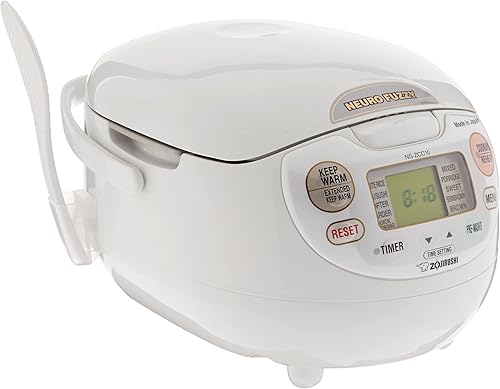 Best for frequent rice eaters
Zojirushi NS-ZCC10 Neuro Fuzzy Rice Cooker
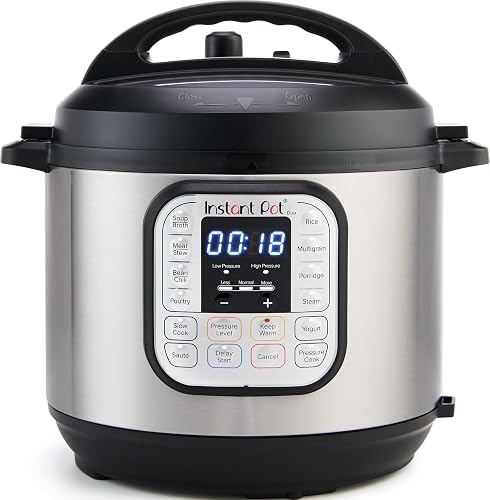
Rice cooker vs Instant Pot: which is better for rice?
A dedicated rice cooker is the stronger fit for frequent rice meals, while an Instant Pot earns its place through other cooking jobs. Choose the controls and workflow you'll use most often.
The Zojirushi offers white rice settings for regular or sushi rice, softer and harder textures, plus mixed, porridge, sweet, semi-brown, brown, rinse-free and quick cooking. Its Neuro Fuzzy system adjusts temperature and heating time during the cycle.
Those choices help when you regularly switch grains or want a different texture for a particular meal. A softer bowl of rice and firmer rice served with sauce call for different results, even when both start with white rice.
The Duo and Pro each include a rice function. They suit cooks who are comfortable following a method for the grain they're using and want the appliance for more than that one task.
For more on automatic adjustments, see our fuzzy logic rice cooker guide. Our explanation of what fuzzy logic means in a rice cooker covers how the controls differ from a simple cook-and-warm switch.
Rice cooker vs Instant Pot: do more programs mean better rice?
More programs mean more cooking options, not a proven improvement in rice texture. A named rice menu is useful when it matches your grain, but correct measuring and preparation still matter.
Judge the program list against meals you already cook. A baking function has little value if you bake in your oven, just as several rice menus add little if you only make the same plain white rice.
Who should buy each cooker, and who should skip it?
Buy the Zojirushi for a regular rice routine, the Duo for varied meals, or the Pro for specific extra methods. Skip any option whose main strengths would sit unused.
Zojirushi: for households that build meals around rice
The Zojirushi fits cooks who serve rice with stir-fries, fish, vegetables or curries several times a week. It also makes sense when one person wants rice ready while another finishes the rest of dinner.
Its automatic keep-warm, extended keep-warm and reheat cycles support that serving routine. These features are most useful when dinner timing varies, though cooked rice still needs careful handling.
Skip it if rice is an occasional side and your main need is an appliance for stews, beans or other pressure-cooked meals. It won't replace a pressure cooker or give you a sauté function.
Instant Pot Duo: for everyday meals with several steps
The Duo fits cooks who want to sauté ingredients and then pressure cook a dish in the same pot. Its 7 functions cover pressure cooking, slow cooking, sautéing, steaming, rice, yogurt and keeping food warm, with 13 one-touch options.
That range works well when you can name several meals it would handle in a normal week. Rice can be one of those jobs without being the reason for buying it.
Skip the Duo if you mainly want rice texture choices or dislike planning around pressure release. Also consider whether it would duplicate appliances you already use comfortably.
Instant Pot Pro: for cooks with a use for the extra modes
The Pro fits cooks who will use sous vide or baking alongside its other functions. It has 10 cooking functions and 28 one-touch options, including sterilizing.
Its gentle steam release switch and diffusing cover, easy-grip inner pot handles and auto-sealing lid lock add practical handling features. It also includes an extra sealing ring and a stainless steel steamer rack with handles.
Skip it if the added methods aren't part of your cooking plans. Choosing it solely to make rice leaves much of its purpose unused.
Can one appliance handle the whole dinner?
One shared pot limits what you can cook at the same time. This matters more than the number of functions if your usual dinner includes a saucy main dish and separate plain rice.
For example, using an Instant Pot for a stew leaves its pot occupied when you also need rice. You must cook in sequence, use another cooking method or follow a suitable pot-in-pot recipe with compatible equipment.
A separate rice cooker lets rice cook while the pressure cooker handles the main dish. Owning both can therefore solve a real scheduling problem rather than simply duplicate a rice function.
If you prefer one-pot meals, the Instant Pot approach may suit you better. Use a recipe designed for that method, since meat, vegetables and rice can have different cooking times and liquid needs.
Write down your next 5 dinners before choosing. If rice appears beside a separately cooked main dish most nights, a dedicated cooker has a clear role.
How do capacity and kitchen space compare?
Rice capacity and total pot volume measure different things. Compare your usual batch with the appliance's rice instructions rather than treating cups and quarts as interchangeable.
The Zojirushi holds 5.5 cups of uncooked rice and makes up to 10 cups cooked. Use its included measuring cups as directed, since a rice-measuring cup isn't the same measure as a standard US kitchen cup.
Both Instant Pots are 6-quart models. Instant Pot describes the Pro as suitable for up to 6 servings, but serving count depends on the dish and portion size.
A pot's total volume is not its safe rice capacity. Rice expands and can foam, so follow the manual's limits for grains and pressure cooking instead of filling to the rim.
Think about your normal batch before occasional guests. If you usually make a small amount, check minimum batch instructions as well as the maximum capacity.
Our guide to what size rice cooker you need helps connect batch size with household meals. To decide whether a separate appliance deserves storage space, read whether a rice cooker is worth it.
Also measure the space where you'll actually use the cooker. Leave room to open the lid and release steam away from cabinets, and choose a stable surface near a suitable outlet.
Is an Instant Pot always faster for rice?
Compare the full meal timeline, including preparation, heating and pressure release. A pressure-cooking countdown is only one part of the time before you can serve dinner.
The pressure cooker must reach pressure before the timed cooking stage begins. Afterward, the recipe may call for a natural release, a controlled release or a combination of both.
Don't assume a short cooking time means you can open the lid immediately. For rice, the specified release and resting period can be part of the method that finishes the grain.
A rice cooker also needs time for its full cycle. Quick cooking is a useful option on the Zojirushi, but don't assume it gives the same result as every other rice setting.
Consider attention as well as elapsed time. An appliance that handles rice while you finish a main dish may help your evening more than a shorter countdown that requires careful sequencing.
How should you set up and cook the first batch?
Start with the manual and one simple rice recipe, then change only one variable if the texture needs adjustment. A repeatable first batch gives you a useful baseline.
Before first use, wash the removable parts as directed and dry them fully. Check that the cooking pot sits correctly and that no packaging remains around the lid or heating area.
Starting with the Zojirushi
Measure rice with the supplied cup intended for that rice type. Rinse when appropriate, then use the matching water markings and menu instructions rather than a stovetop ratio.
Dry the outside and bottom of the inner pan before placing it in the cooker. Stray grains or water between the pan and heating area can interfere with proper contact.
Select the menu before starting, and follow any resting or serving steps in the manual. The LCD clock and timer help with scheduling, while the retractable cord keeps spare cord length contained.
Starting with an Instant Pot
Check that the sealing ring and steam-release parts are correctly fitted before pressure cooking. Use the liquid amount, rice quantity and release method specified for the recipe and model.
Keep hands and your face away from the steam path. Never force the lid open, and wait until pressure has fully released before removing it.
The Duo's 18/8 stainless steel pot has a tri-ply bottom for sautéing. If you sauté first, loosen stuck food as the recipe directs before pressure cooking to help prevent scorching.
With either appliance, record the rice variety, amount and water used. If the result needs a change, adjust one part of the method next time rather than changing the ratio, program and batch size together.
Which is easier to clean and care for?
Choose the cleanup routine you'll follow after each use. The main differences are caring for a nonstick rice pan versus cleaning a pressure-cooker pot, sealing ring and steam components.
The Zojirushi has a spherical nonstick inner pan and a detachable, washable inner lid. Use gentle utensils and nonabrasive cleaning tools to protect the pan's surface.
Let stuck rice soften with water instead of scraping it with metal. Wipe the cooker body with a damp cloth, and keep the electrical base out of water.
The Pro's lid and inner pot are dishwasher-safe. Follow the manual for removing, cleaning and refitting smaller components rather than assuming every loose part has the same care instructions.
Pressure-cooker care also includes checking the sealing ring and steam paths. Clean away food residue, let parts dry and inspect them before reassembly.
If the sealing ring retains food odors, cleaning and thorough drying help. The Pro's extra ring gives you the option of keeping separate rings for strongly flavored and mild dishes, following the manual's fitting instructions.
For a step-by-step routine, see how to clean a rice cooker. Clean the lid area as well as the pot, since starch residue can collect above the rice.
What common mistakes should you avoid?
Most avoidable problems start with mismatched measurements, settings or timing. Keep the method consistent before deciding the appliance is the wrong fit.
- Using the wrong measuring cup: Follow the cooker's cup and water-mark system when that method is specified.
- Copying a stovetop water ratio: A covered electric cooker and a pressure cooker lose moisture differently from an open saucepan.
- Treating every grain alike: Brown rice and white rice need methods suited to their different cooking needs.
- Exceeding grain fill limits: Leave the space required for expansion and foam.
- Ignoring the release method: Opening sooner than the recipe allows can change the result and creates a steam hazard.
- Skipping cleanup around the lid: Dried starch and trapped food need attention even when the main pot looks clean.
Avoid using keep-warm as a reason to leave cooked rice indefinitely. Follow the appliance's holding guidance and refrigerate leftovers promptly in shallow containers rather than leaving a large pot to cool slowly.
Also resist buying more functions to solve a measuring problem. Consistent quantities, the correct setting and the right release or rest often matter more than another preset.
Which one should you choose?
Choose the Zojirushi if rice needs its own place in your dinner routine, the Duo if several everyday cooking jobs matter, or the Pro if you'll use its added methods. The final rice cooker vs Instant Pot decision should follow your meals and available cooking space.
The Zojirushi NS-ZCC10 is the clearest choice here for frequent rice eaters who want rice-specific menus and texture choices. It also frees your stove or pressure cooker to handle the rest of dinner.
The Instant Pot Duo is the practical choice when rice shares the schedule with soups, stews and other meals. Pick it when several of its functions already have a place in your weekly plan.
The Instant Pot Pro fits cooks who want its extra cooking methods and handling features. Choose it because those features solve a real need, rather than because its program count is higher.
For the next step, use our guide to choosing a rice cooker to narrow capacity and controls, or browse the best rice cookers for dedicated alternatives. If you're choosing between Zojirushi control systems, read Micom vs Neuro Fuzzy.
Frequently asked questions
Is a rice cooker or Instant Pot better for rice?
A dedicated rice cooker is the better fit for frequent rice meals and rice-specific controls. An Instant Pot suits cooks who also need pressure cooking and other meal-prep functions, so choose based on your weekly menu and whether rice needs to cook separately from the main dish.
Can an Instant Pot cook rice?
Yes, both the Duo and Pro have rice and keep-warm functions. Use instructions for your rice type and pressure-cooker model, including the required liquid and release method, because a stovetop water ratio or another appliance's rice program may not suit the recipe you're making.
What makes the Zojirushi Neuro Fuzzy different?
The Zojirushi uses Neuro Fuzzy logic to adjust cooking temperature and time. Its menus cover several rice types, with softer and harder choices for white rice, while its warming and reheating functions suit households that prepare rice separately and serve it alongside other dishes.
Which is easier to use for different rice types?
The Zojirushi is the clearer choice for cooks who want named rice menus and white rice texture choices. With either appliance, match the method to the grain and follow the manual, because brown rice, sushi rice and mixed rice should not all be treated as the same recipe.
Should I buy an Instant Pot if I already have a rice cooker?
Buy an Instant Pot if pressure cooking or its other functions would fill a regular gap in your kitchen. Keeping both can make sense when rice cooks beside a main dish, but another appliance adds little value if you would mostly use it for rice you already make easily.


