Zojirushi Rice Cooker Error Codes: H01, H02 and More
For Zojirushi rice cooker error code H01, check your exact model’s manual before attempting a fix. Stop using the cooker while the code is unexplained, and contact Zojirushi support if it remains or returns.
On this page (11 sections)
- What should you do first when an error appears?
- What does Zojirushi rice cooker error code H01 mean?
- What does H02 mean on a Zojirushi rice cooker?
- What can you safely check at home?
- Should you repair the cooker or buy a replacement?
- Which replacement suits small batches?
- Which replacement gives you more rice texture choices?
- Which replacement suits rice and steaming?
- Which replacement suits larger batches?
- How should you set up and care for a replacement?
- What is the right decision after an H01 error?
For Zojirushi rice cooker error code H01, check your exact model’s manual before attempting a fix. Stop using the cooker while the code is unexplained, and contact Zojirushi support if it remains or returns.
The same approach applies to H02 and other unfamiliar codes. Find the full model number on the cooker’s label, then match it to the correct manual before following any troubleshooting steps.
An error code alone isn’t a reason to order a replacement. First establish whether your cooker needs a permitted user check or professional service.
What should you do first when an error appears?
Stop the cooking cycle and consult your model’s manual. Switch off and unplug the cooker if you can do so safely, then let it cool before checking removable parts.
Avoid touching a wet outlet, damaged cord, or unusually hot plug. If there’s smoke or fire, keep clear and contact emergency services.
Record the complete code, including any letters or numbers beside it. Take a photo of the display only if you can do so safely.
Note when the code appeared: before cooking, during a cycle, or while keeping rice warm. Also record the menu you selected and anything unusual you noticed, without restarting the cooker to recreate the fault.
What does Zojirushi rice cooker error code H01 mean?
Use the manual for your exact model to identify H01. Don’t assign it a temperature, sensor, or electrical fault based on advice for a different cooker.
Find the model number without moving a hot or filled cooker. Zojirushi’s official support and manuals page is the starting point for matching instructions and service help.
Can cleaning clear a Zojirushi rice cooker H01 error code?
Cleaning is appropriate only when the matching manual calls for it. Routine care can remove food residue, but it doesn’t establish what caused an unexplained code.
Once the unit is unplugged and cool, clean only the parts and surfaces the manual permits. Don’t pour water into the body, probe openings, or open the housing.
A restart is also a model-specific step, not a repair. If the manual recommends one, follow its timing and sequence rather than trying an online button combination.
What does H02 mean on a Zojirushi rice cooker?
Look up H02 separately in your model’s manual. Its similar appearance to H01 doesn’t establish that it has the same cause or remedy.
If the instructions are missing or unclear, give support the model number, full code, and cycle details. Ask whether the cooker needs service and whether there are any user checks you should complete first.
Keep the cooker out of use until you have clear guidance. Leave internal inspection and repair to qualified service personnel.
What can you safely check at home?
Limit checks to accessible surfaces and removable parts covered by the manual. Let the unplugged cooker cool before handling the pot or lid components.
Without touching damaged areas, look for visible cord or plug damage. Check that the appliance stands on a dry, stable surface with the clearance its instructions require.
During permitted cleaning, remove loose grains and residue from accessible areas. Dry the outside of the inner pot and refit removable parts correctly before any restart the manual allows.
Our guide to how to use a Zojirushi rice cooker covers normal operation. Use the rice cooker cleaning guide for routine care, while following your model’s limits on which parts can be washed.
Don’t assume the inner pot belongs in a dishwasher because it lifts out. Read our guide to putting a Zojirushi rice cooker pot in the dishwasher before choosing a cleaning method.
Should you repair the cooker or buy a replacement?
Get service advice before replacing a cooker solely because of H01 or H02. Ask about repair availability, applicable warranty coverage, and the total repair cost before making the decision.
Repair deserves consideration if the cooker still fits your meals and support offers a workable solution. Replacement becomes more useful when service isn’t practical or your batch size and cooking needs have changed.
None of the models below is a remedy for an error code on your current appliance. They are options for readers who have reached a replacement decision.
Which replacement suits small batches?
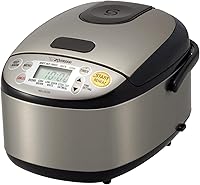
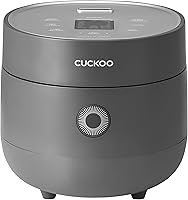
Choose the 3-Cup Micom for small households that regularly cook modest portions. Its ability to cook as little as 1/2 cup of rice or oats matters more than extra capacity you rarely use.
This model also includes brown and GABA brown settings. The GABA program includes a 2-hour activation stage, so allow for that extra time when planning meals.
A fold-down handle and retractable cord suit a kitchen where the cooker goes into a cupboard between uses. Measure the storage space and leave room to lift the appliance out comfortably.
Skip it if you often cook large batches for guests or several meals at once. Small capacity is useful only when it matches how much rice you actually prepare.
Which replacement gives you more rice texture choices?
Choose the NS-ZCC10 Neuro Fuzzy if rice menus and white-rice texture options drive your decision. Its white-rice choices include regular or sushi rice, plus softer and harder settings.
Other menus include mixed, porridge, sweet, semi-brown, brown, rinse-free, and quick cooking. Automatic keep-warm, extended keep-warm, and reheat cycles suit meals served at different times.
Use the supplied measuring cups as directed, including the correct cup for regular or rinse-free rice. Changing both the cup and water amount at once makes it harder to work out why a batch came out differently.
Skip this model if your priority is a dedicated steam function; the NS-TSC10 below provides that feature. Our NS-ZCC10 Neuro Fuzzy guide helps you weigh its rice-focused controls.
Which replacement suits rice and steaming?
Choose the NS-TSC10 if you want a rice cooker with a dedicated Steam menu. It includes a steaming basket, which gives that function a clear role in meal preparation.
Its 2 delay settings help with meal planning, while automatic and extended keep-warm handle serving time. Follow the manual’s limits on ingredients and holding time rather than treating every food like plain rice.
At 14 inches deep, it needs enough counter space for the body, cord routing, and lid access. Check the usable space under cabinets before buying.
Skip it if steaming would go unused and your usual batches are very small. The NS-TSC10 review gives more context for choosing it as a daily cooker.
Which replacement suits larger batches?
Choose the NS-TSC18 when large batches are part of your normal routine. It makes more sense for frequent shared meals than occasional extra capacity.
That capacity uses the included rice cup, about 180 mL, and other grains may have different limits. Don’t substitute a standard kitchen measuring cup or assume every menu accepts the maximum amount.
Its body measures about 15 inches deep, 11.13 inches wide, and 9.88 inches high. Allow additional space for opening the lid and releasing steam according to the manual.
Skip it if most meals need only a small batch. Our guide to how to choose a rice cooker helps you match capacity to portions before committing to a larger appliance.
How should you set up and care for a replacement?
Start with the matching manual, supplied rice cup, and the water line for your selected menu. Capacity describes how much the cooker can handle, not the amount you should cook every time.
Wash removable food-contact parts before first use as instructed. Keep the cooker body out of water and dry the pot’s exterior before placing it inside.
Choose the menu that matches the grain rather than using one setting for everything. If texture needs adjustment, follow the manual and change one variable at a time so the result is useful.
Use utensils suitable for the pot’s coating and avoid abrasive cleaners. Let parts cool before cleaning, and remove residue before it dries hard.
Common mistakes include overfilling, using the wrong measuring cup, and refitting damp parts. For burnt rice without a displayed code, see why rice cookers burn rice for a separate set of checks.
What is the right decision after an H01 error?
Resolve Zojirushi rice cooker error code H01 through model-specific guidance first. If it remains or returns after an approved step, leave the cooker out of use and contact support.
If replacement is the practical choice, pick the 3-Cup Micom for small portions, the NS-ZCC10 for rice texture choices, the NS-TSC10 for steaming, or the NS-TSC18 for larger batches.
Match the cooker to your everyday meals before adding features. For alternatives beyond these four, compare our best rice cookers by capacity and cooking functions.
Frequently asked questions
What does H01 mean on a Zojirushi rice cooker?
Check your exact model’s manual for the meaning of H01 before trying a fix, because instructions for another cooker may not apply. If the manual doesn’t explain the code, or it returns after a restart the manual recommends, stop using the cooker and contact Zojirushi support.
What does H02 mean on a Zojirushi rice cooker?
Look up H02 in the manual for your exact Zojirushi model, using the full model number on the cooker’s label to find matching instructions. If the manual doesn’t explain what to do, stop using the cooker and contact Zojirushi support rather than attempting an internal repair.
Should I unplug my Zojirushi rice cooker when an error appears?
Switch off and unplug the cooker if you can do so safely, without touching a wet outlet, damaged cord, or unusually hot plug. Let it cool before checking removable parts as the manual permits; if there’s smoke or fire, keep clear and contact emergency services.
Can I keep cooking if my rice cooker shows an error code?
Don’t continue cooking while an unexplained error code is displayed; follow the instructions for your exact model and contact support if the code remains. A burning smell, unusual heat, smoke, or electrical damage also means you should stop using the cooker and get help before using it again.