Why Does My Rice Cooker Burn the Rice?
The usual reasons why your rice cooker burns rice are too little water, poor pot contact, or prolonged warming. Check the supplied cup, matching water marks, and cooled heating plate before cooking again.
On this page (9 sections)
- Why does my rice cooker burn rice?
- Could the rice-to-water ratio be wrong?
- Can a dirty pot or sensor make rice burn?
- Does the keep-warm setting burn rice?
- How can you check the cooker before replacing it?
- Which rice cookers suit different batch sizes and grains?
- What should you check before buying a replacement?
- When should you stop using the rice cooker?
- What should you do if your rice cooker keeps burning rice?
The usual reasons why your rice cooker burns rice are too little water, poor contact between the pot and heating plate, or prolonged warming. Start with the measuring cup and water marks, then inspect the cooled cooker.
You don't need a replacement just because one batch scorches. Work out whether the rice burns before the cycle ends or dries out afterward, because those problems need different fixes.
Why does my rice cooker burn rice?
Rice burns when the bottom layer loses too much moisture while heat continues. Too little water, the wrong cycle, an unevenly seated pot, or a long warming period can contribute.
The rice above the scorched layer gives you a useful clue. Hard, dry grains suggest a water or cycle mismatch, while rice that was soft at serving time but later turned crusty points toward warming.
A thin golden layer differs from deeply scorched, bitter rice. Repeated dark patches in the same spot also warrant checking the pot and heating surface.
Why does my rice cooker burn rice on the bottom?
The bottom receives heat directly through the inner pot, so it can scorch while the upper rice still looks normal. When the scorching starts matters more than simply finding stuck grains.
Check the rice when the cycle and any recommended resting period finish. If it looks fine then, review your warming habits before changing the cooking water.
If it is already scorched, check the measurements, cycle, and pot contact first. Change one thing at a time so you can tell what helped.
Could the rice-to-water ratio be wrong?
Too little water can leave rice dry before the cycle finishes, but a universal rice-to-water ratio isn't the best starting point. Use the instructions and pot markings for your cooker and rice type.
Measure dry rice with the supplied cup, rinse as directed, then add water to the matching line with the pot level. The line marks the total filled level, so don't fill to it and then add another measured portion of water.
Don't mix a standard US measuring cup with water lines designed for the supplied rice cup. Count rice cups before rinsing, and drain rinse water as the manual directs.
Brown, long-grain white, and short-grain rice may need different water marks and cycles. A quick cycle also shouldn't become your default for grains that require a different program.
Once the basic method is correct, make only small water changes allowed by the manual. Our guide to what a fuzzy logic rice cooker does explains how automatic heating adjustments work alongside those measurements.
Can a dirty pot or sensor make rice burn?
Grains or dried starch beneath the pot can disrupt contact with the heating plate. A dented pot may also sit unevenly, so adding water won't solve every scorching problem.
Unplug the cooker and let it cool before removing the pot. Inspect its outer bottom and the heating plate for stuck rice, spills, and residue.
Clean the plate and sensor area only as the manual directs. Don't scrape the surface, force the sensor, or pour water into the cooker body.
Wash the pot with suitable nonabrasive tools and dry its outside before putting it back. Avoid metal utensils that can damage a nonstick surface.
For lid, vent, and spill cleanup, follow how to clean a rice cooker. Clear steam paths as directed rather than covering a vent to hold in moisture.
Does the keep-warm setting burn rice?
Long warming periods can dry and brown the bottom layer, especially when only a small serving remains. Check the manual's limits rather than assuming warm mode suits any amount for any length of time.
Keep the lid closed between servings and follow the instructions for fluffing after cooking. Repeated opening releases moisture, while leaving a thin layer spread across the pot encourages drying.
Don't press cook again to warm finished rice unless the manual allows that method. Use the model's reheat function when appropriate.
Transfer leftovers promptly to shallow containers for refrigeration. A switched-off cooker isn't a place to leave rice cooling for hours.
How can you check the cooker before replacing it?
Cook one carefully measured batch after cleaning, provided the appliance has no damage or electrical warning signs. Use plain rice so added sauces or seasonings don't complicate the diagnosis.
- Unplug the cooker, let it cool, and clean the pot and heating area as directed.
- Check that the pot sits evenly and its outer bottom is dry.
- Choose a batch within the manual's minimum and maximum amounts.
- Use the supplied cup, correct water line, and matching rice cycle.
- Follow the resting instructions, then check the rice before extended warming.
Write down the rice type, amount, cycle, and when scorching appeared. Those details help the manufacturer assess a problem that persists after setup is corrected.
Don't keep repeating batches if the same fault remains. Ask about service or an approved replacement pot before buying a whole new appliance.
Which rice cookers suit different batch sizes and grains?
Choose around your normal batch and the rice you cook most, rather than buying extra capacity as a cure for burning. These models offer useful settings, but none removes the need for correct water levels and clean parts.
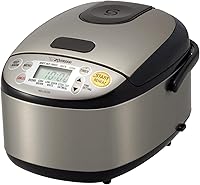
Zojirushi 3-Cup Micom: for couples and small batches
The Zojirushi 3-Cup Micom suits couples or solo cooks who need a supported batch as small as 1/2 cup. Separate long-grain white, brown, and GABA brown settings help you avoid using one cycle for every grain.
Choose it if your current cooker is too large for the amount you usually make. The retractable cord and fold-down handle also help with putting it away between meals.
Skip it if you regularly need batches beyond its capacity. Measure your usual dry rice before choosing a compact model.
Zojirushi NS-ZCC10: for varied rice menus
The NS-ZCC10 suits households that switch among white, sushi, brown, mixed, and other rice styles. Its 5.5-cup uncooked capacity gives it more batch room than the compact Zojirushi.
Neuro Fuzzy control adjusts heat and cooking time, while a spherical nonstick pan supports even heating. White-rice texture choices are useful if you want softer or firmer rice without guessing at a different program.
Choose it for menu flexibility and its automatic or extended keep-warm and reheat functions. Skip it if your main need is very small portions and simple storage.
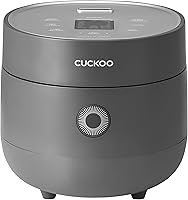
Cuckoo CR-0675F: for busy family meals
The Cuckoo CR-0675F suits families that want 6 cups uncooked or 12 cups cooked capacity and a quick white rice option. Its timer and warming mode help coordinate rice with the rest of dinner.
The supplied model is CR-0675FG, with fuzzy logic that adjusts cooking time and temperature. Its self-clean setting, removable lid, and nonstick pot support regular care, though you still need to remove food residue.
Choose it for family batches and flexible meal timing. Skip it if you mostly cook tiny servings or expect automatic controls to correct wrong measurements.
Cuckoo CR-0632F: for mixed menus and accessible cleanup
The CR-0632F suits cooks who alternate between white rice, GABA rice, multigrain or brown rice, and porridge. Its detachable inner lid and excess-water drainage tray give you parts to remove and clean during routine care.
It has the same uncooked batch capacity as the other Cuckoo here, plus slow-cook, reheat, and multi-cook options. Choose it if those menus match meals you'll actually make.
Skip it if you only need a compact cooker for occasional white rice. For exact setup steps, see how to use a Zojirushi rice cooker or how to use a Cuckoo rice cooker.
What should you check before buying a replacement?
Minimum batch support, useful rice settings, and easy cleaning matter more than a large capacity number. Compare uncooked amounts with uncooked amounts, since cooked-cup figures describe a different quantity.
Check the space with room for opening the lid and releasing steam. A cooker that fits beneath a cabinet may still need to move forward during use.
Choose controls that match your habits: grain-specific programs for varied rice, supported small batches for one or two people, or a timer for planned meals. Our guide to how to choose a rice cooker helps narrow those choices.
When should you stop using the rice cooker?
Stop using it if the cord is damaged, it sparks, or you smell burning plastic or wiring. A cracked, warped, or peeling inner pot also needs attention before further use.
Disconnect power if safe and contact the manufacturer for guidance. Use an approved replacement pot rather than another bowl that happens to fit.
Follow the manual for persistent error codes. Our guide to Zojirushi rice cooker error codes H01 and H02 covers common code questions.
What should you do if your rice cooker keeps burning rice?
If you're still asking why your rice cooker burns rice, base the next step on when it happens. Correct water and cycle choices for scorching during cooking, and shorten warming if finished rice dries out later.
Choose the compact Zojirushi for supported small batches, the NS-ZCC10 for varied rice menus, or a Cuckoo for larger batches and the features described above. Replace a faulty cooker only after checking whether an approved pot or repair is practical.
Use the rice cooker buying guide to weigh automatic controls, then compare our best rice cooker picks against your normal portions and grains.
Frequently asked questions
Why does my rice cooker burn rice on the bottom?
Rice can burn on the bottom when there isn't enough water, the pot doesn't sit flat, or prolonged warming dries it out. Use the supplied cup and matching water marks, then check that the pot's outer bottom and heating plate are clean and dry before cooking again.
Can I eat rice that burned in a rice cooker?
Browning alone doesn't establish whether rice is safe, so discard it if you suspect damaged cookware, an electrical fault, or improper storage. Don't rely on taste or smell to judge storage safety, and don't scrape flakes from a damaged nonstick coating into the food.
Should I add more water if rice burns?
Add more water only if the rice type, measuring method, and cooker instructions show that your batch needs it. First use the supplied cup and matching water line for the chosen cycle, since extra water won't fix poor pot contact and can turn otherwise cooked rice mushy.
Why does rice burn while the cooker is on keep warm?
Prolonged warming can dry rice until it sticks or browns, especially when little remains or you open the lid often. Follow your manual's warming guidance and refrigerate leftovers promptly in shallow containers rather than leaving them to cool for hours inside a switched-off cooker.