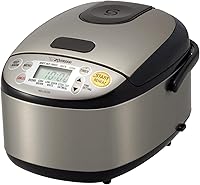
What Is a Fuzzy Logic Rice Cooker?
A fuzzy logic rice cooker uses computerized controls to adjust heat and cooking time as rice cooks. You still measure the ingredients and choose a program, but the cooker manages changes during the cycle.
On this page (10 sections)
- What is a fuzzy logic rice cooker?
- How does fuzzy logic change the cooking process?
- Which rice settings are worth paying attention to?
- Who should choose each of these fuzzy logic rice cookers?
- How much capacity and counter space do you need?
- How should you set up and use a fuzzy logic cooker?
- Which common mistakes can fuzzy logic fail to fix?
- How do you keep the pot and steam parts clean?
- Is a fuzzy logic rice cooker worth it for your routine?
- Which fuzzy logic rice cooker should you choose?
A fuzzy logic rice cooker is a computer-controlled cooker that adjusts heat and cooking time as rice cooks. You select a program, and the cooker responds to changing conditions instead of applying the same simple heating routine to every batch.
That helps when you switch between rice types or want specific textures. It still needs the right rice, water, and program, so buy it for useful controls rather than the promise of perfect rice without any input.
What is a fuzzy logic rice cooker?
A fuzzy logic rice cooker uses sensor feedback and programmed rules to manage cooking. Those rules allow adjustments during the cycle rather than treating every batch as identical.
A basic on-off cooker generally heats until the temperature rises as available water runs low, then switches to warming. A fuzzy logic model can manage a more detailed sequence, with controls that vary by model and program.
Think of it as automatic course correction within a chosen recipe. It cannot identify every grain you pour in or decide how soft you want dinner.
The heating method is a separate feature. Fuzzy logic describes the controls; it does not, by itself, mean induction heating or pressure cooking.
How does fuzzy logic change the cooking process?
Fuzzy logic lets the cooker change heat and timing as the batch progresses. Depending on the program, a cycle may include soaking, cooking, and resting stages.
This matters because different grains absorb water at different rates. A brown-rice program has a different job from a white-rice program, while porridge needs a different balance of grain and liquid.
You may see the remaining time change as the cooker works. Follow the manual's timing guidance instead of assuming every program behaves like a fixed kitchen timer.
What is a fuzzy logic rice cooker compared with a micom model?
Micom means microcomputer-controlled, while fuzzy logic describes a way those controls make adjustments. The terms can overlap, so they are not separate categories that always compete with each other.
Zojirushi's Neuro Fuzzy name identifies its particular technology. Our Zojirushi Micom vs Neuro Fuzzy comparison explains that choice within the brand.
Which rice settings are worth paying attention to?
Choose programs for the rice you actually cook, then consider texture controls and other dishes. A long menu adds little if you use only one setting.
Brown rice, mixed grains, and porridge deserve attention if they appear in your weekly meals. Dedicated programs give you a clearer starting point than guessing which general cycle to use.
A sushi-rice setting is for cooking the rice; it does not season it. Likewise, a mixed-grain program does not mean you can combine any grains in any ratio without following a recipe.
For frequent whole-grain meals, compare the options in our guide to rice cookers for brown rice. Check batch limits for that program, since maximum capacity can vary by dish.
Who should choose each of these fuzzy logic rice cookers?
Choose the Zojirushi for rice texture choices, the Cuckoo for larger batches, or the Toshiba for a broader cooking menu. All 3 offer brown-rice settings, so that feature alone will not settle the decision.
Zojirushi NS-ZCC10: for cooks who care about rice texture
The Zojirushi suits households that make rice often and want regular or sushi white rice with softer and harder choices. Its 5.5-cup uncooked capacity also gives room for batch cooking.
Automatic and extended keep-warm modes, plus reheating, suit meals served at different times. The detachable, washable inner lid gives you access to a part that collects moisture and residue.
Skip it if your main goal is a menu centered on cakes, eggs, or other dishes. A simpler cooker may also suit you better if you always make the same white rice and rarely adjust its texture.
Cuckoo CR-0675F: for batch cooking and varied breakfasts
The Cuckoo suits cooks who want 6 cups uncooked or up to 12 cups cooked, with options for rice and breakfast foods. Compare those units carefully, since 12 cooked cups is not twice the raw capacity of a 6-cup cooker.
Its quick white-rice program, timer, and warming mode help with meal planning. The self-clean setting and removable lid are useful care features, but you still need to wash food-contact parts as directed.
Skip it if you make only small portions and do not need the extra capacity. Before choosing any larger cooker, confirm that its minimum batch suits your usual meal.
Toshiba OriginTaste: for cooks who want more than rice
The Toshiba suits households that will use porridge, cake, and egg programs alongside rice settings. Its 15 functions make sense when those dishes would otherwise need another pan or appliance.
Keep-warm and reheating functions add flexibility after cooking. Its removable steam valve and vent cap need regular attention, and the inner pot requires hand washing with mild soap and a soft cloth.
Skip it if those extra dishes are unlikely to become part of your routine. It is also a poor fit if dishwasher cleaning of the inner pot is a firm requirement.
How much capacity and counter space do you need?
Choose capacity around your normal batch, with some room for leftovers or guests. Maximum output matters less if the cooker cannot make the small amount you want on most nights.
Rice-cooker cups may differ from standard kitchen cups, and cooked volume varies with the rice. Use the supplied cup and the matching pot marks rather than mixing measurement systems.
For a household-size starting point, see what size rice cooker you need. Then check the manual's minimum and maximum amounts for your preferred program.
Measure the space with the lid open, not just the closed appliance. Leave room for steam to escape away from cabinets, and place the cooker where you can remove the pot without reaching across the vent.
How should you set up and use a fuzzy logic cooker?
Start with the supplied measuring cup, the correct program, and the manual's water guide. Fuzzy logic works best when those basics are consistent.
- Wash the removable food-contact parts as directed before first use, then dry them.
- Measure the rice with the supplied cup. Rinse it when the rice and cooker instructions call for rinsing.
- Add water using the marks for that rice type and amount. Level the rice in the pot.
- Dry the pot's outside and check that the heating area is clean before fitting it.
- Select the matching program, close the lid, and keep the steam outlet clear.
- Follow the rest period in the instructions, then fluff with a utensil suitable for the pot's coating.
For the first batch, use plain rice rather than a recipe with several added ingredients. That gives you a useful baseline before adjusting texture.
If the rice is too firm or soft, change one variable at a time within the manual's guidance. Keep the rice type and batch size steady while you adjust the texture setting or water amount.
Which common mistakes can fuzzy logic fail to fix?
Fuzzy logic cannot reliably rescue wrong measurements, an unsuitable program, or an overloaded pot. Better controls reduce guesswork, but they do not replace preparation.
- Using white-rice marks for another dish: Brown rice and porridge need their own instructions.
- Overfilling mixed rice: Added ingredients take up space, and that program may have a lower limit.
- Opening the lid repeatedly: This releases heat and steam that the cooking cycle depends on.
- Adding ingredients without a suitable recipe: Dairy, thick sauces, and foaming foods can need specific limits and methods.
- Expecting quick cook to match every regular cycle: Use it for supported rice types and amounts.
- Using a delay timer for any recipe: Follow the manual's restrictions, especially for perishable additions.
A delay timer schedules cooking; keep-warm holds food after cooking. Use each for its intended purpose rather than treating them as interchangeable ways to leave ingredients in the cooker.
How do you keep the pot and steam parts clean?
Clean the pot, accessible lid parts, and steam components after use according to the manual. Starch residue can collect beyond the bowl, especially after porridge or mixed dishes.
Let the cooker cool before cleaning, and unplug it before wiping the body. Keep the electrical base out of water and dry removable parts before putting them back.
Use a soft sponge and a utensil that protects the nonstick surface. Avoid scraping dried rice; loosen it with water when the pot's care instructions allow.
A self-clean cycle does not remove the need to wash away food residue. Our guide to how to clean a rice cooker covers the routine in more detail.
Is a fuzzy logic rice cooker worth it for your routine?
A fuzzy logic cooker is worth considering if you cook rice often, switch grains, or want texture choices. The benefit comes from controls you use regularly.
A basic cooker can be enough for occasional white rice and a simple start-and-serve routine. If you also want pressure cooking for other meals, read rice cooker vs Instant Pot before adding another appliance.
Start with how to choose a rice cooker if size and everyday features are still unclear. The complete fuzzy logic rice cooker buying guide goes further into this category.
Which fuzzy logic rice cooker should you choose?
Now that you know what a fuzzy logic rice cooker is, choose by the meals you make. Pick the Zojirushi for white-rice texture choices, the Cuckoo for larger batches and oats, or the Toshiba for its wider range of dishes.
Before ordering, confirm that your normal batch fits the chosen program and that the cleaning routine suits you. Use our best fuzzy logic rice cookers guide for the next comparison.
Frequently asked questions
What does fuzzy logic mean on a rice cooker?
Fuzzy logic means the cooker uses computerized controls to adjust heat and cooking time as conditions change during cooking; you choose the rice program and measure the ingredients first. The controls manage the cycle, but they cannot choose your preferred texture or correct every measuring mistake.
Is a fuzzy logic rice cooker better than a basic rice cooker?
A fuzzy logic rice cooker is worth considering if you regularly switch between rice types or want texture settings and meal scheduling; a basic cooker can be enough for a steady white-rice routine. Choose by the programs you will use, the batch size, and the cleanup involved.
Does fuzzy logic make rice cook faster?
Fuzzy logic does not automatically mean faster cooking; its purpose is to adjust the cycle, and some programs include time for soaking or resting. A separate quick-cook setting can help on busy days, but follow the manual for supported rice types, batch limits, and expected cooking times.
Can fuzzy logic rice cookers cook brown rice?
Yes, models with a brown-rice program can cook brown rice, including all 3 options discussed here. Use that program's water marks and batch limits rather than copying white-rice instructions; brown rice has an outer bran layer, so its cooking needs differ from those of white rice.