Rice Cooker Brands Compared: Zojirushi, Cuckoo and More
The best rice cooker brands for your kitchen depend on your meals: choose these Zojirushi, Toshiba, Cuckoo or Tiger models for rice settings, small batches, larger batches or simple controls, respectively.
On this page (7 sections)
- Which best rice cooker brands fit different kitchens?
- What should you compare before choosing a brand?
- Which model from each brand should you buy?
- How should you set up a new rice cooker?
- How do you avoid mushy, dry or uneven rice?
- How much cleaning should you expect?
- Which rice cooker brand should you choose?
The best rice cooker brands to compare here are Zojirushi for rice menu control, Toshiba for smaller meals with several functions, Cuckoo for larger batches, and Tiger for simple one-button cooking. Choose the model that fits your normal dinner, rather than a brand name alone.
A cooker that handles your favorite rice and usual portions is more useful than one with extra functions you rarely open. Counter space, cleanup and how you serve dinner should help settle the choice.
This guide compares 4 specific models, so their strengths shouldn't be read as rules for every cooker those brands make. For more options, browse our best Zojirushi rice cookers, best Cuckoo rice cookers and best Japanese rice cookers.
Which best rice cooker brands fit different kitchens?
Match your batch size first, then choose between rice menu control and simpler operation. These examples cover small meals, larger family batches and different levels of control.
| Brand and model | Capacity | Cooking style | Consider it if |
|---|---|---|---|
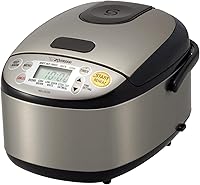
| Zojirushi NS-ZCC10 | 5.5 cups uncooked | Neuro Fuzzy, multiple rice menus | You want texture choices and settings for several rice types |
| Toshiba Mini TRCS02 | 3 cups uncooked | Fuzzy logic, 8 cooking functions | You want several functions for smaller meals |
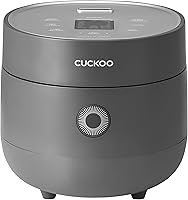
| Cuckoo CR-0675FG | 6 cups uncooked, 12 cooked | Fuzzy logic, multiple cooking options | You regularly cook larger batches |
| Tiger JNP-0550 | 3 cups dry rice, about 6 cooked | Conventional, one-button operation | You prefer a short, simple cooking routine |
Compare uncooked capacity with uncooked capacity. A 12-cup cooked model isn't twice as large as a 6-cup uncooked model; those numbers can describe the same batch.
Treat the capacity as a ceiling, not a suggested amount for every meal. Each rice type or cooking program may have its own fill limit, so use the matching instructions and markings.
If you're still deciding what kind of appliance you need, our best rice cookers guide gives you a broader starting point.
What should you compare before choosing a brand?
Compare your everyday portions, favorite rice and preferred controls before counting extra functions. Those choices affect daily use more than a long menu of dishes you don't plan to cook.
How do the best rice cooker brands compare on settings?
Zojirushi's NS-ZCC10 has the most detailed rice menu choices in this comparison. It covers white rice with regular, sushi, softer and harder options, plus mixed, porridge, sweet, semi-brown, brown, rinse-free and quick cooking.
Toshiba's Mini includes white rice, quick cooking, brown rice, mixed grain, slow cooking and porridge among its functions. Cuckoo offers options for glutinous white rice, brown rice, oats and baby food, alongside quick white rice.
Tiger keeps the process to a single push button. That suits a repeatable rice routine, while dedicated menus are more useful if your meals often change.
Fuzzy logic adjusts cooking time and temperature during the cycle, but accurate measuring still matters. It doesn't remove the need to choose the correct program or follow the water guidance.
For a closer explanation, read what a fuzzy logic rice cooker is. Our fuzzy logic rice cooker guide helps you decide whether those controls fit your cooking habits.
How much rice do you usually cook?
Size the cooker around your usual batch, with enough room for the larger meals you make often. Include lunch portions and second helpings if those are part of your routine.
The smaller Toshiba and Tiger make sense when rice is usually a side dish for a modest meal. Zojirushi and Cuckoo give you more batch room when rice is central to dinner or you're feeding guests.
Don't choose a large cooker only for a gathering you host once a year. Check the minimum batch guidance too, since maximum capacity says little about whether your smallest regular portion fits the instructions.
If you're unsure how your portions translate into capacity, our rice cooker size guide can help. Use the supplied rice cup when measuring, rather than swapping in a household measuring cup.
Will it fit where you'll cook?
Measure the working space, including room to open the lid and let steam escape. A cooker that fits inside a cabinet may still need a different spot while running.
The Tiger measures about 9.1 inches deep by 8.7 inches wide, while the Toshiba is about 9 inches deep by 11.6 inches wide. The word “mini” alone doesn't tell you which shape suits a narrow counter.
Allow space to lift out the inner pot without bumping a shelf. If you put the cooker away after each meal, also think about the carrying route and where its cord will sit.
Which model from each brand should you buy?
Choose Zojirushi for rice adjustments, Toshiba for small-batch flexibility, Cuckoo for batch room, or Tiger for a simple routine. The useful difference is what each model lets you do at dinner.
Zojirushi: for cooks who change rice types and textures
The Zojirushi NS-ZCC10 suits someone who wants more control than a basic white-or-brown choice. Its softer and harder white rice options give you a direct way to choose a texture instead of relying only on water changes.
Its spherical nonstick pan has side handles, and the inner lid detaches for washing. A retractable cord helps when you store the cooker between meals.
The automatic keep-warm, extended keep-warm and reheat cycles suit households where people eat at different times. They also give you separate controls for holding rice and warming it again.
Buy it if you regularly switch rice types and will use those menu choices. Skip it if your meals are small and repetitive, or if choosing a program feels like an extra step you don't want.
For a closer look at the two larger options here, see Zojirushi vs Cuckoo.
Toshiba: for smaller meals with more menu choices
The Toshiba Mini suits someone who wants a small-batch cooker without giving up dedicated grain and porridge programs. It's a useful middle ground between Tiger's single button and the larger models here.
Its LED display handles programming, and the delay timer can schedule cooking up to 24 hours ahead. The keep-warm and reheat functions add flexibility when dinner doesn't start as soon as the cycle ends.
The pot needs hand washing with mild soap and a soft cloth. The removable steam valve and vent cap also need attention, particularly after starchy dishes.
Buy it for smaller meals that change through the week, such as rice one day and porridge another. Skip it if you regularly need a large batch or expect to put the inner pot in the dishwasher.
Before planning dinner around a secondary function, read its recipe and fill guidance. A rice capacity doesn't tell you how much soup or porridge the same pot can safely hold.
Cuckoo: for larger batches and family meal planning
The Cuckoo CR-0675FG suits a household that often needs rice for dinner and planned leftovers. Its larger batch capacity is the main reason to choose it over either small model.
Cuckoo gives the quick white rice program a cooking range of 28–36 minutes. Use that as guidance for that program, rather than expecting every rice type or batch to finish within the same window.
The self-clean setting is a useful maintenance feature, but the removable lid and nonstick pot still need regular cleaning. Warming mode and a timer setting help you plan serving around the rest of the meal.
Buy it when larger batches are a regular need. Skip it if you mostly make a small side portion and would be buying unused capacity.
If you're comparing other sizes and controls from the brand, use our best Cuckoo rice cookers guide.
Tiger: for a simple, repeatable rice routine
The Tiger JNP-0550 suits someone who wants to measure rice and water, close the lid and press one button. It removes menu selection from the routine.
After cooking, it switches to automatic keep-warm for up to 12 hours. That is a holding feature, not a reason to prepare more rice than you'll use.
The inner lid and steam gaskets come out for cleaning, and the power cord retracts for storage. Its coated pot has measurement markings to guide filling.
Buy it if you value fewer controls and usually repeat the same kind of rice meal. Skip it if you want dedicated brown rice or porridge programs, texture selections, or fuzzy logic adjustments.
A simpler control panel still calls for careful measuring. Keep a note of the rice and water amounts that suit your meals, rather than changing several things each time.
How should you set up a new rice cooker?
Start with a plain rice batch using the manual's method, rather than a mixed recipe. That gives you a clear starting point for later changes to texture or portion size.
Wash the removable food-contact parts as directed, then dry the outside of the pot before placing it inside. Check that the heating area is clean and the pot sits flat.
Place the cooker on a stable surface with clear space around the steam outlet. Keep the vent away from the underside of cabinets and anything that moisture could damage.
Use the included cup to measure the dry rice, then follow the matching water line or ratio. Don't mix a household cup measurement with pot markings designed around a different cup.
Rinse rice when its package and the cooker instructions call for it. Add the final cooking water after rinsing, accounting for water already left in the pot.
Select the program for the rice you're using, and keep the lid closed during cooking. Follow any resting guidance before fluffing gently with a suitable rice paddle.
How do you avoid mushy, dry or uneven rice?
Change one part of your method at a time so you can tell what helped. Start with the rice amount, water amount and program before assuming you need a different cooker.
For mushy rice, check whether you added water by guesswork or used the wrong pot line. Draining rinsed rice differently from batch to batch can also change how much water reaches the pot.
For dry or firm rice, confirm that you used the right program and water guidance for that variety. Brown rice and white rice shouldn't automatically share the same method.
These habits prevent several common problems:
- Stay within the program's fill limit. Leave the space required for foods that foam or expand.
- Keep the lid closed during the cycle. Repeated peeking releases steam and interrupts the cooking conditions.
- Don't use quick cook as the default for every grain. Choose it for the rice and amounts the instructions allow.
- Seat the pot correctly. Rice grains or moisture on its underside can interfere with proper contact.
- Keep a short batch note. Record the variety, rice amount, program and result before making one small adjustment.
Mixed dishes need extra care because vegetables, sauces and other ingredients add moisture or bulk. Use a recipe suited to the cooker and program before building your own version.
How much cleaning should you expect?
Plan to clean the pot, lid parts and steam path, rather than the bowl alone. Starch can collect above the rice even when the inner pot looks easy to rinse.
Unplug the cooker and let it cool before removing washable parts. Wipe the body as directed, and keep the electrical base out of water.
Use soft cleaning tools on coated pots and avoid scraping dried rice with metal utensils. Let stuck rice soften with water before washing, following the model's care instructions.
Toshiba, Cuckoo and Tiger call for hand washing, so don't assume a removable part belongs in the dishwasher. Check each component separately because pot, lid and vent care can differ.
Cuckoo's self-clean cycle doesn't replace removing food residue or washing the pot. Dry removable parts before refitting them, especially the pieces around the lid and steam outlet.
Our rice cooker cleaning guide covers the routine in more detail. Choose a cooker whose cleanup steps you'll be comfortable doing after an ordinary weekday meal.
Which rice cooker brand should you choose?
The best rice cooker brands for your shortlist are the ones whose specific models match your normal portions and cooking style. Make the decision in this order: batch size, rice menus, controls, then cleanup and storage.
- Choose Zojirushi if you want to select rice texture and move between several rice types.
- Choose Toshiba if you cook smaller meals but still want grain, porridge and other cooking functions.
- Choose Cuckoo if larger rice batches are part of your weekly meal plan.
- Choose Tiger if a single button suits your routine better than a menu screen.
If you're choosing between Zojirushi and Cuckoo, use our model comparison to settle the menu and capacity differences. For a single-brand shortlist, visit the Zojirushi roundup or Cuckoo roundup.
Before ordering, write down your usual dry rice amount and measure the spot where the cooker will run. Those two checks can settle the choice more clearly than another extra function.
Frequently asked questions
Which rice cooker brand is best?
Choose by your usual batch and the controls you'll use; among these models, Zojirushi suits cooks who want rice texture choices, Toshiba suits smaller meals with several cooking functions, Cuckoo suits larger batches, and Tiger suits simple rice cooking with one button. These are model comparisons, not promises about every cooker from each brand.
Are Zojirushi and Cuckoo rice cookers different?
Yes, these models differ most in their menus and cleanup features; the Zojirushi NS-ZCC10 offers softer and harder white rice choices, several rice menus and extended keep-warm. The Cuckoo CR-0675FG offers a slightly larger batch capacity, quick white rice and a self-clean setting alongside its removable lid and nonstick pot.
Is Tiger a good rice cooker brand?
The Tiger JNP-0550 is a good fit for someone who wants one-button rice cooking in smaller batches; it switches to keep-warm after cooking and has a removable inner lid for cleaning. Choose a model with dedicated menus instead if you regularly switch between brown rice, porridge and other grains.
Do all rice cooker brands use fuzzy logic?
No, fuzzy logic is a model feature, so a brand name alone doesn't tell you which controls you're getting. The Zojirushi, Toshiba and Cuckoo models here use it to adjust cooking time and temperature; the Tiger uses conventional one-button operation, making it the simpler choice for cooks who don't want menu selections.