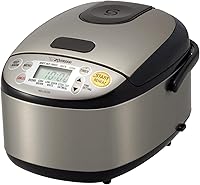
Zojirushi NS-LGC05 vs NS-TSC10: Is Bigger Better? (October 2026)
In the Zojirushi NS-LGC05 vs NS-TSC10 comparison, choose the NS-LGC05 for frequent small meals or the NS-TSC10 for batch cooking and steaming. Match the cooker to your normal portions before choosing extra functions.
On this page (7 sections)
- Zojirushi NS-LGC05 vs NS-TSC10: which capacity fits your meals?
- Which settings will you actually use?
- Which model deserves space on your counter?
- Who should buy each model, and who should skip it?
- How should you set up your first batch?
- How do you care for the pot and avoid common mistakes?
- Zojirushi NS-LGC05 vs NS-TSC10: which should you choose?
Choose the NS-LGC05 for frequent small meals and the NS-TSC10 for larger batches and steaming. The Zojirushi NS-LGC05 vs NS-TSC10 decision starts with how much dry rice you normally measure, then moves to counter space and cooking habits.
A couple who cooks fresh rice each evening has different needs from a couple preparing several lunches at once. Household size helps, but your usual batch tells you more.
Both are Zojirushi Micom rice cookers with nonstick inner pots and retractable cords. The useful differences are their capacity, dedicated menus and serving options.


Zojirushi NS-LGC05 vs NS-TSC10: which capacity fits your meals?
Choose the smaller cooker for modest daily portions and the larger cooker for planned leftovers or shared meals. Extra capacity earns its space only when you use it regularly.
The NS-LGC05 has a 3-cup capacity and can cook as little as 1/2 cup of rice or oats. The NS-TSC10 holds up to 5.5 cups of uncooked rice.
NS-LGC05 vs NS-TSC10: count dry rice first
Compare capacity using uncooked rice, rather than the amount you see in a serving bowl. Rice expands during cooking, and the final volume varies with the grain and preparation.
Use the supplied rice measuring cup for the cooker's measurements. A rice cooker cup isn't necessarily the same as a standard kitchen measuring cup, so swapping between them can upset the water balance.
For your next few meals, note how much dry rice you use and whether you want leftovers. That gives you a firmer basis for choosing than a general claim about how many people a cooker serves.
A household that eats rice as a small side needs less capacity than one serving rice bowls as the main meal. Guests, packed lunches and second helpings also change the amount you need.
Our rice cooker size guide explains how to match capacity to those habits.
Leave room for the menu you choose
Treat the headline capacity as a starting point, and follow the limits for the selected menu. Don't assume the maximum rice amount also applies to oatmeal or every other food.
Foods that foam or expand need space. Use the correct fill marks and manual instructions instead of filling the pot according to how much empty room remains.
If your normal meal already pushes the smaller cooker's permitted amount, choose the larger model. Running a second cycle can make dinner awkward because the rest of the meal may be ready first.
Which settings will you actually use?
Choose the NS-LGC05 for its dedicated grain and oatmeal programs, or the NS-TSC10 for steaming and more serving options. A menu matters when it replaces a step you already do often.
The compact model has steel-cut oatmeal, long-grain white rice, and Brown or GABA Brown settings. Its oatmeal and long-grain programs use cooking flows that differ from the regular porridge and white rice programs.
That makes it a sensible choice if breakfast oats and long-grain rice are regular parts of your week. Select the program that matches the food rather than using one familiar button for everything.
Its Brown Rice Activation stage holds the pan at about 104 degrees F for 2 hours. Plan around that extra stage instead of choosing it when dinner needs to be ready soon.
The NS-TSC10 has a Steam menu and includes a steaming basket. It also has a Cake menu, which is useful only if you expect to follow recipes suited to that function.
For a broader explanation of these controls, see our guide to fuzzy logic rice cookers.
Steaming needs its own plan
Buy the NS-TSC10 for steaming if you want a dedicated way to prepare food with steam. Consider whether that would replace a saucepan or steamer you currently use.
Don't assume the basket lets you steam vegetables above rice during every rice cycle. Follow the manual for water amounts, food placement and compatible cooking methods.
Cut food into similar sizes so pieces cook more evenly. Check doneness before serving, especially when preparing foods that require a safe internal temperature.
Steam also escapes when you open the lid. Keep your face and hands away from the opening, and use suitable protection when lifting hot accessories.
Keep warm helps with staggered meals
The NS-TSC10's automatic keep warm, extended keep warm and reheating cycle suit households that don't all sit down together. These functions offer more flexibility than planning every meal around the moment cooking ends.
They still need to be used as directed. Check the manual for suitable rice types, holding limits and the correct use of reheating.
A reheating cycle shouldn't be treated as permission to leave cooked rice at room temperature. If you plan to save rice for another day, cool it promptly and refrigerate it.
The 2 delay settings can help you plan a future meal. Use delayed cooking only with ingredients and preparation methods permitted by the manual, especially when a recipe includes perishable foods.
Which model deserves space on your counter?
The NS-LGC05 is the easier fit in a tight kitchen. Its smaller body matters most when the cooker stays out every day or shares a shelf with other appliances.
It measures 9.1 inches wide, 11.8 inches deep and 7.5 inches high. The NS-TSC10 measures 10.13 inches wide, 14 inches deep and 8.5 inches high.
Depth can be the deciding measurement on a narrow counter. Mark out the base dimensions with paper before ordering, then check where the controls and lid will sit.
Allow room to open the lid, lift out the pot and let steam escape. A cooker that fits beneath a cabinet while closed may still need to move forward during use.
Place either model on a stable, level surface away from the counter edge. Keep the steam path clear of cabinet undersides and items that could be damaged by moisture.
Storage changes the buying decision
Choose the compact model if putting the cooker away is part of every meal. Its fold-down handle gives you a practical way to move it once it has cooled.
Both retractable cords reduce loose cable in storage. Neither feature removes the need to check the cabinet opening and leave enough room to grip the appliance.
The NS-TSC10 weighs 9.5 pounds, so consider the lift as well as the shelf space. A low, reachable shelf is more convenient than storing a frequently used cooker overhead.
Let all washed parts dry before closing the cooker for storage. Trapped moisture can leave odors that make the next meal less pleasant.
Who should buy each model, and who should skip it?
Buy the NS-LGC05 if you usually cook fresh, modest portions. Buy the NS-TSC10 if larger batches or steaming are regular needs, rather than occasional possibilities.
For one person making a rice side with dinner, the smaller model avoids buying capacity that rarely gets used. It also suits a couple who prefers cooking a fresh batch instead of saving leftovers.
A small household can still be a strong match for the larger model. Preparing rice for several work lunches may require more room than cooking dinner for a larger household once.
Choose the NS-LGC05 for a smaller daily routine
The NS-LGC05 fits buyers who value manageable portions, compact storage and the grain programs already discussed. It's particularly appealing when breakfast and dinner both give it a regular job.
Skip it if you often host rice-centered meals or need substantial leftovers from the same cycle. A compact cooker loses its appeal if you keep working around its limit.
Read our NS-LGC05 review if this sounds like your routine.
Choose the NS-TSC10 for larger cooking sessions
The NS-TSC10 fits people who plan food in batches or want a steam function alongside rice cooking. Its serving functions also help when household schedules don't line up.
Skip it if you consistently make small meals and won't use the basket or extra menus. More functions don't compensate for an appliance that feels awkward to store or leaves too much food.
Our NS-TSC10 review covers that model in more detail. If you're also considering another Zojirushi option, use the NS-TSC10 vs NS-ZCC10 comparison to narrow the choice.
How should you set up your first batch?
Start with plain rice and the manual's measurements so you can learn your preferred texture. Adding several ingredients immediately makes it harder to work out why a batch is too wet or firm.
Both models require a 120-volt supply. Check that your kitchen's electrical supply is suitable, and place the cooker where the cord can reach without crossing a sink or hot cooking surface.
Wash the removable food-contact parts as directed before first use. Dry the outside of the inner pot before returning it to the cooker.
Measure rice with the supplied cup, rinse it as appropriate for the grain, and drain it consistently. Excess rinse water left in the pot becomes part of the cooking water.
Add water using the marks or instructions for the selected rice and menu. Don't automatically apply a stovetop water ratio to a rice cooker.
Check that no grains or droplets remain beneath the pot, then seat it correctly. Close the lid and confirm the menu before starting the cycle.
Adjust texture one change at a time
If the rice is firmer or softer than you prefer, change only one part of the next batch. Keep the grain, measured amount and selected menu the same while making a small water adjustment within the manual's guidance.
Opening the lid repeatedly can release steam and affect the process. Wait for the program to finish, then follow the instructions for resting and fluffing.
Record your preferred amount for rice you buy often. A short note is more useful than guessing again each time you switch between brands or grain types.
Our guide to using a Zojirushi rice cooker walks through the basic routine.
How do you care for the pot and avoid common mistakes?
Hand-wash both models' removable parts as directed, and protect the nonstick cooking surface. Gentle, regular cleaning is easier than removing dried rice after it has hardened.
Unplug the cooker and let it cool before cleaning. Remove the inner pot and any other parts the manual identifies as removable.
Use a soft sponge and mild dish soap on suitable washable parts. Avoid metal scouring pads, abrasive cleaners and scraping dried rice with a knife.
If rice sticks, allow the pot to soak as directed before wiping it clean. Don't immerse the electrical base or pour water into it.
Use the supplied spatula or another utensil suitable for nonstick cookware. Scoop gently, and avoid using the inner pot as a mixing bowl for tools that could scratch it.
Clean beyond the cooking bowl
Follow the manual's instructions for lid parts, the rim and the steam path. Rice residue in those areas can cause odors even when the bowl looks clean.
Wipe the exterior with a suitable damp cloth and dry it afterward. Check for stray grains around the pot's seating area before the next use.
Our rice cooker cleaning guide explains how to build a simple care routine.
Avoid habits that waste the cooker's features
Don't keep using the same program after changing from white rice to a different grain. Water marks and menu choices work together, so check both.
Don't choose the larger cooker solely for occasional guests if storage is already difficult. Consider how often that situation occurs and whether cooking the meal differently would be simpler.
Don't buy the smaller model solely to save counter space if your normal batches exceed its limits. The right size should make your usual meal easier.
Finally, don't treat warm rice as food that needs no further attention. Use the approved holding function correctly, and store leftovers promptly when you're finished serving.
Zojirushi NS-LGC05 vs NS-TSC10: which should you choose?
Choose the NS-LGC05 when your normal batch fits comfortably and compact storage matters. Choose the NS-TSC10 when you regularly need more rice or would use its steam basket and serving functions.
Before ordering, settle 3 points: your usual dry-rice amount, the space available with the lid open, and the extra function you'll use each week. Those answers should make the choice clear.
If neither model matches that routine, compare the best Zojirushi rice cookers before committing to a size or menu set.
Frequently asked questions
What is the difference between the Zojirushi NS-LGC05 and NS-TSC10?
The main difference is capacity and how you plan to use the cooker: the NS-LGC05 holds 3 cups and suits small batches, with dedicated oatmeal and rice settings. The NS-TSC10 holds up to 5.5 cups and adds a steam menu, steaming basket, extended keep warm and reheating.
Is the NS-TSC10 too big for one or two people?
The NS-TSC10 can make sense for 1 or 2 people who batch cook or regularly host guests; for consistently small meals, the NS-LGC05 is the clearer fit because it can cook as little as 1/2 cup. Check the manual's minimum amount for your chosen menu before cooking.
Can the Zojirushi NS-LGC05 steam food?
Choose the NS-TSC10 if steaming is a buying requirement because it has a dedicated Steam menu and includes a steaming basket. Don't buy the NS-LGC05 assuming it offers the same setup; also, don't assume the NS-TSC10 can steam food over rice during every cooking program; follow its manual.
Which Zojirushi cooker is easier to move?
The NS-LGC05 is easier to fit into a storage routine because its body is smaller and it has a fold-down handle; both models have retractable cords. Let the cooker cool, empty it and secure the cord before moving it, rather than carrying a hot cooker full of food.
Which Zojirushi cooker is better for brown rice?
The NS-LGC05 is the clearer choice if you specifically want a Brown or GABA Brown menu option. Its activation stage keeps the pan at about 104 degrees F for 2 hours; allow for that extra stage in your meal plan, and choose it for the cooking option rather than a health promise.