Can I Cook Beans in a Rice Cooker?
Yes, you can cook beans in a rice cooker, and it works well for most varieties. Soak the beans first, use more water than you would for rice, and choose the longest cycle your cooker offers so they soften evenly.
On this page (9 sections)
- Can I cook beans in a rice cooker safely?
- Which beans work best in a rice cooker?
- How much water do beans need in a rice cooker?
- Which rice cooker setting should you use for beans?
- Should you soak beans before cooking them in a rice cooker?
- How do you cook beans in a rice cooker step by step?
- How do you season and store cooked beans?
- How do you clean the cooker after cooking beans?
- What mistakes should you avoid when cooking beans in a rice cooker?
Yes, you can cook beans in a rice cooker, and it works well for most varieties. Soak the beans first, use more water than you would for rice, and choose the longest cycle your cooker offers so they soften evenly.
A rice cooker is a steady, closed pot that holds a gentle simmer, which suits beans. You still need to plan ahead, because beans take longer than rice and can foam as they cook.
Here's how to do it without guesswork.
Can I cook beans in a rice cooker safely?
Yes, a rice cooker cooks beans safely when you keep the water below the maximum fill line and follow the cooker's own instructions. The pot controls heat and shuts down when the cycle ends, so you don't have to watch a stove.
The main safety point is foam. Beans release starch and protein that can froth up and push the lid or spill over the rim.
Leave at least an inch of headroom and open the steam vent as your manual directs.
Use the inner pot only for cooking. Don't pour hot beans into a blender or seal leftovers in the warm pot, and let the beans cool before storing them in the fridge.
The second point is timing. A rice cooker cycles between heating and resting, so a bean batch takes longer than a stovetop simmer.
Plan for a cycle plus a rest, and check the beans before you assume they're done.
Which beans work best in a rice cooker?
Soft beans and lentils finish well, while dense beans need a longer soak and more water. The cooker's gentle cycle suits small and medium beans better than large, tough ones.
Here's the practical split for a standard rice cooker:
- Easy: lentils, split peas, black beans, navy beans, and pinto beans after a soak.
- Moderate: kidney beans and black-eyed peas, which need a full soak and a longer cycle.
- Tough: chickpeas and soybeans, which often want an overnight soak and extra time.
Lentils cook quickly and can turn mushy if you leave them on a long cycle. Check them early and stop when they reach the texture you want.
Dried beans vary by age. Older beans take longer and may stay firm even after a long cycle, so taste one before you decide the batch is finished.
How much water do beans need in a rice cooker?
Use about 3 parts water to 1 part dried beans for most varieties. That's more water than rice needs, because beans absorb a lot and the cooker loses some to steam.
Soaked beans need a little less water than unsoaked ones. Start with roughly 2.5 parts water for soaked beans and 3 parts for dry beans, then adjust next time based on how the batch turns out.
Keep the total below the pot's maximum line. A 5.5-cup cooker holds a comfortable batch of soaked beans with room for foam; a mini 3-cup cooker suits smaller batches.
Don't fill a rice cooker to the brim with beans and water. The foam needs space, and an overfilled pot can bubble through the vent and make a mess on the counter.
Which rice cooker setting should you use for beans?
Pick the longest cycle your cooker offers, such as brown rice, mixed grain or porridge. Those settings run longer and hotter than a quick white-rice cycle, which is what dense beans need.
On many cookers the brown rice setting is the best stand-in for beans. Porridge is another option when you want very soft beans for soups and dips.
A quick cook setting is too short for beans unless you've presoaked them for hours.
If your cooker has a slow cook or steam function, those menus can also handle beans with a longer, gentler run. Check the manual for which cycle gives the most time, then use it consistently.
Some cookers let you add extra time manually. That's useful for chickpeas and older beans, which often need more than one standard cycle.
Which rice cooker suits beans best?
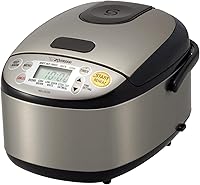
A larger cooker gives you room for a full batch and the foam above it. The Zojirushi NS-ZCC10 is the best fit for beans, because its menu includes brown rice and porridge cycles that give beans the long, gentle cook they need.
Its spherical nonstick pan heats evenly, and the keep-warm and reheat cycles are handy if the beans finish before dinner. For a smaller kitchen or a single batch, the Toshiba Mini keeps things simple.
The Zojirushi NS-TSC10 is the middle option: it has a steam menu and a 5.5-cup capacity, so you can cook beans and steam vegetables in one session.
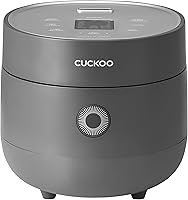
Our guide to the best rice cookers compares these models in more detail. If you own a Cuckoo, see how to use a Cuckoo rice cooker for its cycle names, and Zojirushi owners can follow how to use a Zojirushi rice cooker.
Should you soak beans before cooking them in a rice cooker?
Soaking is the safer, faster choice for most dried beans. An overnight soak softens the skins, shortens the cook time, and helps beans finish evenly in a rice cooker's cycle.
Rinse the beans, cover them with plenty of cold water, and leave them in the fridge overnight. Discard the soaking water and rinse again before cooking.
That removes some of the compounds that cause gas and improves texture.
If you're short on time, a quick soak works: boil the beans for a few minutes on the stove, then let them stand for an hour. Drain and rinse before they go into the cooker.
Unsoaked beans are still possible. Add extra water and expect a longer cycle, and keep the batch smaller so there's room for foam.
Kidney beans are the main caution: raw kidney beans need a full boil to be safe, so cook them on the stove or use canned kidney beans in the rice cooker.
How do you cook beans in a rice cooker step by step?
Rinse, soak, add water, select the long cycle, and check for doneness before the cooker switches to keep warm. The steps are simple, but the order matters.
- Rinse the dried beans and pick out any stones or shriveled pieces.
- Soak them overnight in the fridge, then drain and rinse.
- Add the beans to the inner pot with about 2.5 to 3 parts water.
- Select the brown rice, mixed grain or porridge cycle.
- Check the beans when the cycle ends; add time or water if they're still firm.
- Drain the cooking liquid or keep it for soups, then season.
Salt is a matter of preference. Some cooks add it at the start, others at the end; either way, taste a bean before you season the whole batch.
Let the pot rest a few minutes after the cycle before opening the lid. The beans continue to soften in the residual heat.
How do you season and store cooked beans?
Season after cooking, or add salt near the end, so you can taste the beans at their actual texture. A little salt, garlic, onion or bay leaf goes a long way.
Keep the cooking liquid if you plan to use the beans in soups or stews; it carries flavor and body. Otherwise drain and rinse them under cool water.
Cool the beans quickly and store them in a sealed container in the fridge for about 4 days, or freeze them in portions. Spread them on a tray first if you want loose beans for later.
Don't leave cooked beans sitting in the warm cooker for hours. Move them to the fridge once they've cooled enough to handle.
How do you clean the cooker after cooking beans?
Wash the inner pot, lid and steam valve promptly, because bean foam leaves a sticky film that dries hard. Soak the pot in warm, soapy water for a few minutes, then wipe it with a soft cloth.
Use a nonabrasive sponge so the nonstick coating stays intact. Remove the detachable inner lid and steam vent cap if your model has them, and rinse them well.
Wipe the exterior and the heating plate with a damp cloth, and dry everything before the next use. Our guide to how to clean a rice cooker covers the full routine, including the vent and seal.
If the pot smells of beans after washing, a soak with a little baking soda and warm water usually clears it. Let all parts air-dry fully before you store the cooker.
What mistakes should you avoid when cooking beans in a rice cooker?
The usual mistakes are too little water, a short cycle, and an overfilled pot. Each one leads to firm beans or a spill, so watch for them.
- Using a quick white-rice cycle, which ends before dense beans soften.
- Filling the pot close to the top, leaving no room for foam.
- Skipping the soak and expecting a standard cycle to finish the job.
- Adding a lot of salt or acid at the start, which can slow softening in some beans.
- Leaving cooked beans on keep warm for hours, which dries them out.
If beans come out firm after one cycle, add a little hot water and run another long cycle. Older beans may need this extra pass, and it's better than tossing the batch.
So, can I cook beans in a rice cooker? Yes, and with a long cycle, enough water and a soak, the results are tender and even.
Pick a cooker with a brown rice or porridge setting if beans will be a regular job; the Zojirushi NS-ZCC10 is the best fit overall, while the Toshiba Mini suits small batches. Wash the pot and vent right after cooking, and your cooker will handle beans as well as it handles rice.
Frequently asked questions
Can I cook beans in a rice cooker without soaking them?
Yes, but unsoaked beans need more water and a longer cycle. Dried kidney beans and soybeans especially benefit from soaking or a long simmer, so follow a tested recipe and keep the water level generous.
What water ratio should I use for beans in a rice cooker?
Use about 3 parts water to 1 part dried beans for most varieties. Some cooks use less for softer beans like lentils and more for dense beans like chickpeas, so adjust gradually and keep the cooker below its max line.
Can beans boil over in a rice cooker?
Beans can foam and push the lid up when the water boils hard. Leave room below the maximum fill line and open the vent as your manual directs; cleaning the steam valve afterward is part of routine care.